Ferrari Watches: When Maranello Met the Wrist
Ferrari has never built watches in Maranello. What exists instead is a long line of licensed collaborations—some brilliant, some forgettable, and a few that have become genuine grails for collectors who love both cars and chronographs. The appeal is obvious: prancing-horse branding on a mechanical wristwatch ties two worlds of engineering obsession together. The reality is messier. Not every Ferrari dial was made with care, and provenance varies wildly depending on who held the license and when.
The Golden Era: Zenith and the El Primero
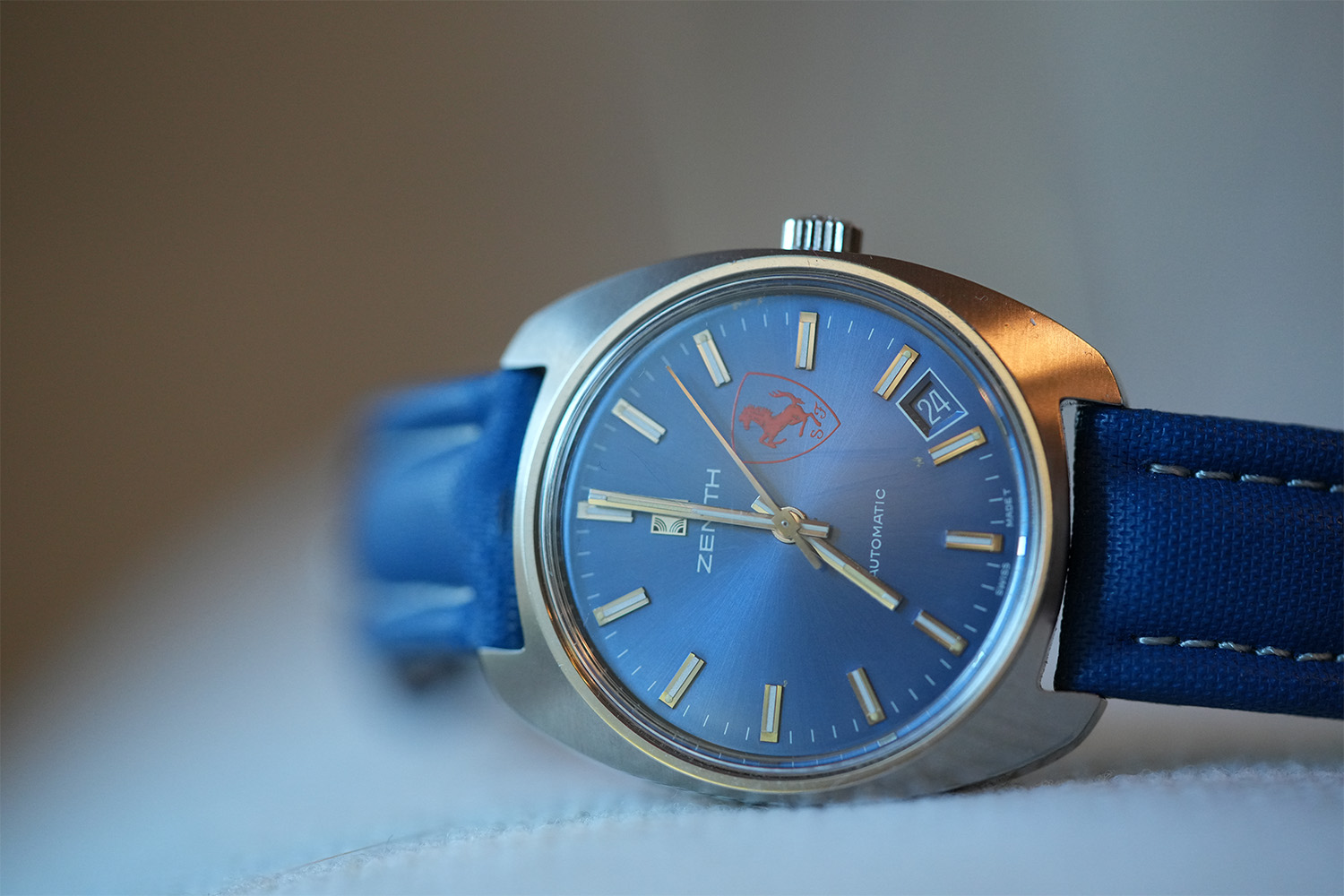
The high-water mark for Ferrari watches arrived in the 1990s and early 2000s, when Zenith held the license and put its legendary El Primero movement inside boldly designed cases. These were not rebadged fashion watches—they were proper chronographs with column-wheel calibers, often offered in limited runs with Ferrari caseback engravings, racing-inspired subdials, and packaging that felt closer to a boutique launch than a mall kiosk promotion.
Collectors gravitate toward Zenith Ferrari pieces for the same reason they chase any El Primero: the movement. The 400-series automatic chronograph remains one of the great Swiss accomplishments of the late twentieth century, and the Ferrari variants layer motorsport mythology on top of legitimate horology. Condition matters enormously. Many were worn hard. Look for intact bezels, crisp dial printing, and service history—replacement parts and refinished dials can crater value.
Ferrari never made the watch. The manufacturer did. Buy the movement and the maker first; treat the logo as the story on top.
Croton, Heuer, and the Accessible End
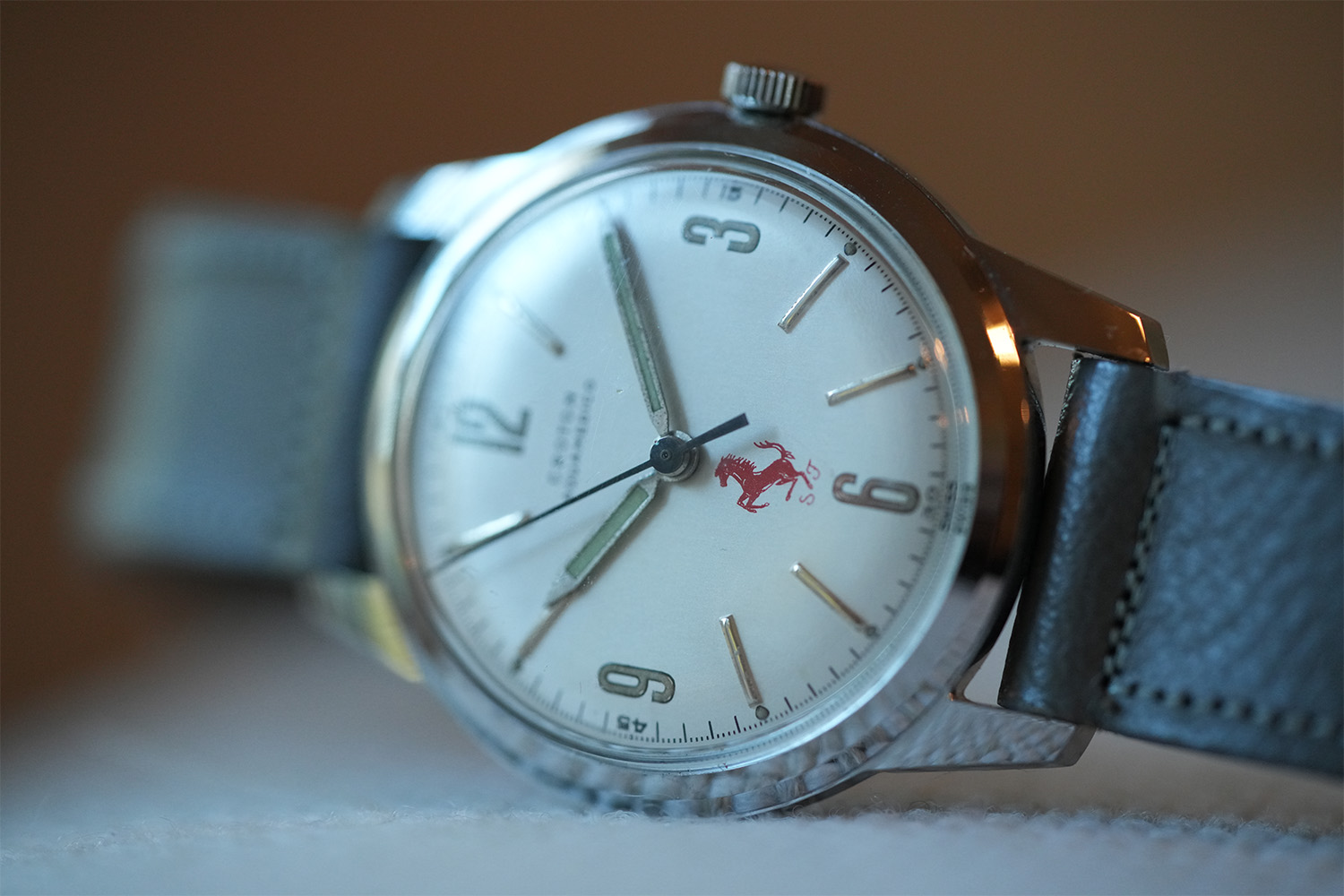
Not every Ferrari watch carried a haute horlogerie price tag. Brands like Croton produced Ferrari-branded chronographs that traded on the logo more than on in-house prestige—often using dependable Swiss or Japanese movements inside sporty cases aimed at fans who wanted the prancing horse without auction-house budgets. These pieces occupy a fascinating middle ground in today's market: undervalued by serious collectors, beloved by enthusiasts who appreciate the design language and the sheer weirdness of the category.
Heuer's relationship with motorsport needs no introduction, and while not every Heuer Ferrari piece is easy to find, the overlap between racing timing and branded wristwear is part of the same cultural thread. When evaluating Croton and similar licenses, focus on originality of dial and hands, case sharpness, and whether the watch still feels honest—not over-polished into a shiny replica of itself.
What to Look For When Buying
Ferrari-licensed watches reward homework. Licenses changed hands; dial designs shifted; some references were regional exclusives. Before you buy, clarify which era and which manufacturer you're dealing with—Zenith, Croton, Movado, Hublot, and others each represent a different chapter.
- License period and manufacturer — Determines movement quality and long-term collectability
- Dial integrity — Ferrari logos and subdials are prone to moisture damage and refinishing
- Original bracelet and clasp — Often lost; mismatched straps are common and acceptable, but OEM matters to purists
- Box and papers — Less critical on entry-level Croton pieces; increasingly important on Zenith limited editions
- Service records — El Primero movements deserve competent watchmakers familiar with the caliber
Oddballs Worth Knowing
The category's charm is in the outliers: oversized cases from the 2000s, unusual colorways, desk-diver proportions with racing stripes, and pieces that make you ask, "Who actually wore this?" Those questions are half the fun. Watchphile tends to favor watches with a story—Ferrari licenses supply plenty of narrative even when the watch itself is not a household name.
Why Collectors Still Care
Motorsport branding on watches has cooled and heated over decades, but the best Ferrari collaborations sit at an intersection of design, history, and mechanical credibility. They are conversation pieces that still tick. Whether you chase a Zenith El Primero or a sharp Croton example, you are buying a moment when two fan cultures overlapped—and that overlap is not coming back in quite the same way.
Closing Thoughts
A Ferrari watch is never just about Ferrari. It is about who built it, when, and whether the object underneath the logo deserves respect on its own merits. Start there, and the prancing horse becomes a bonus—not the whole bet.