So, the Rolex GMT-Master II or the Rolex Submariner? Which should you choose?
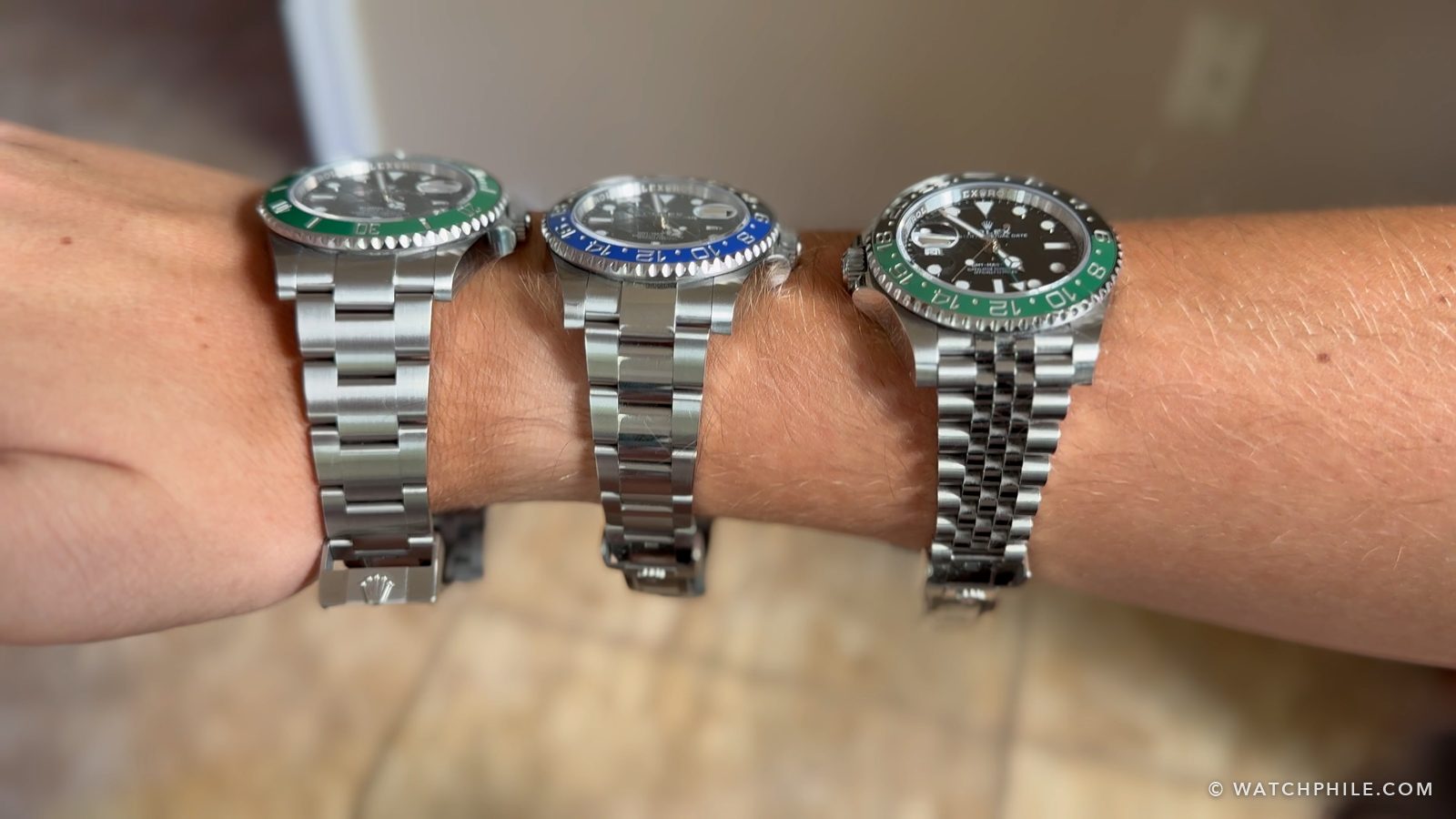
I've owned both for years. From diving with my Submariner to taking my GMT around the world, I absolutely love and use both. I have a Batman, a Sprite, and a Starbucks in the collection.
And if you're reading this, you're probably trying to decide which one is right for you. So by the end, I'll tell you which one I'd choose if I could only keep one.
After wearing them side-by-side for years, I can tell you something that probably isn't very helpful: you eventually need both. It shouldn't really be a one-or-the-other decision. Because while they look incredibly similar in photos, they scratch completely different itches once they're on your wrist.
GMT-Master II vs. Submariner on Paper
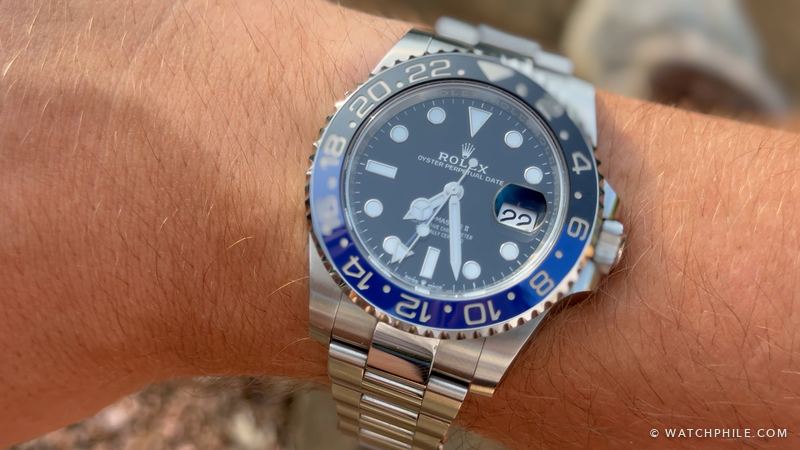
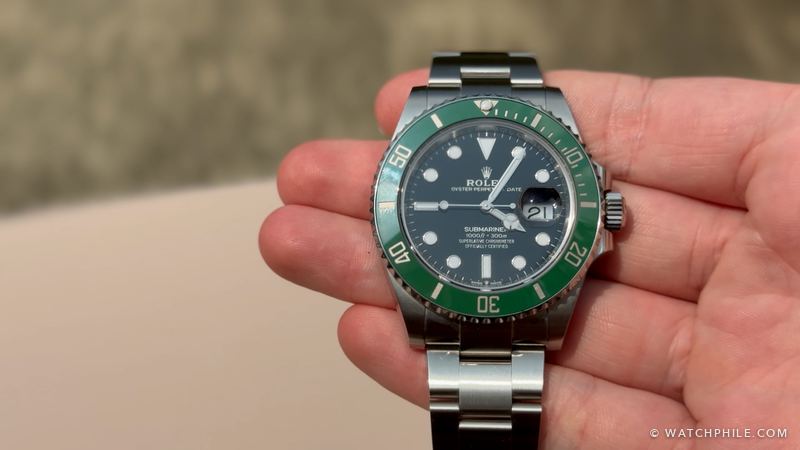
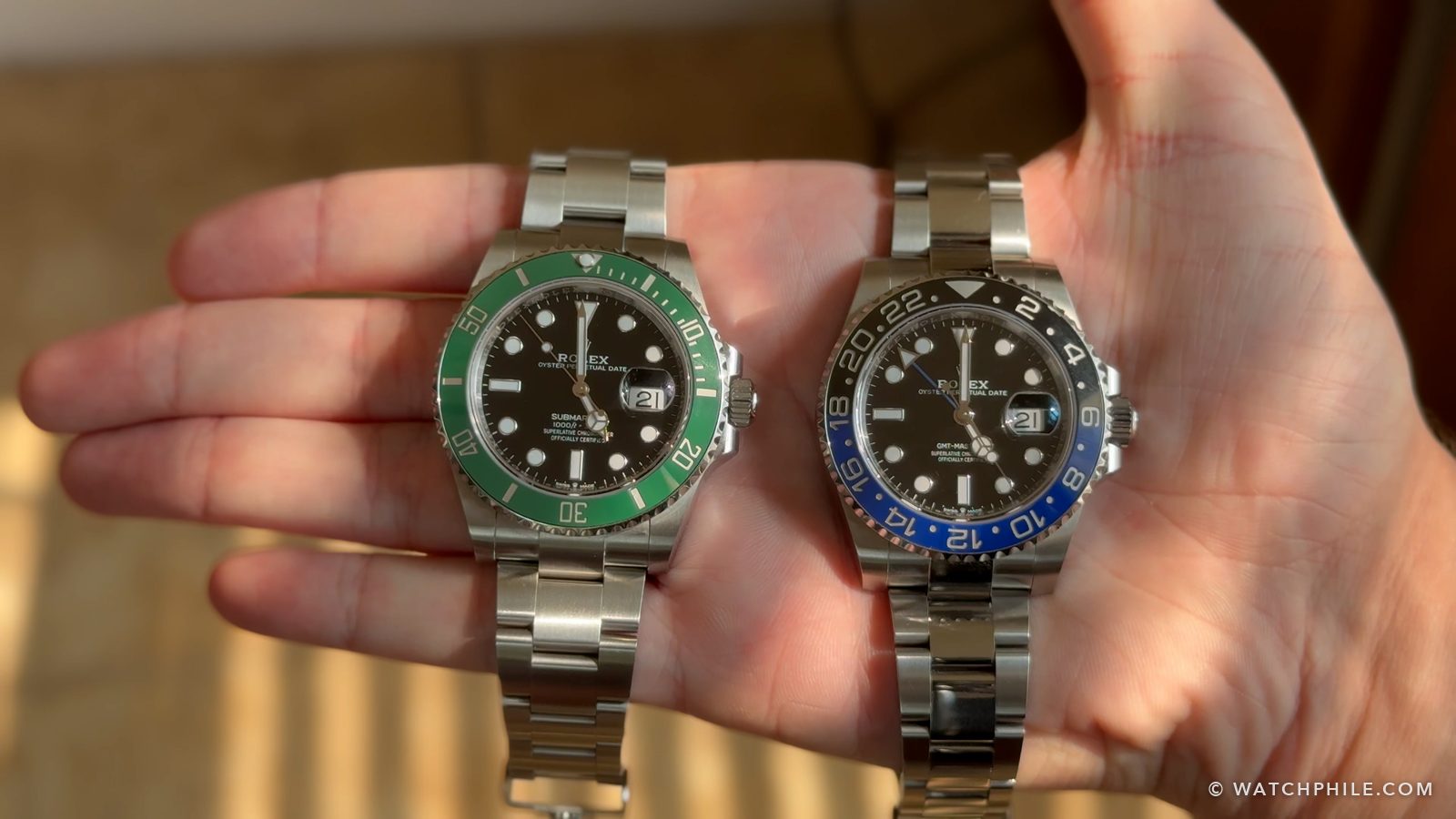
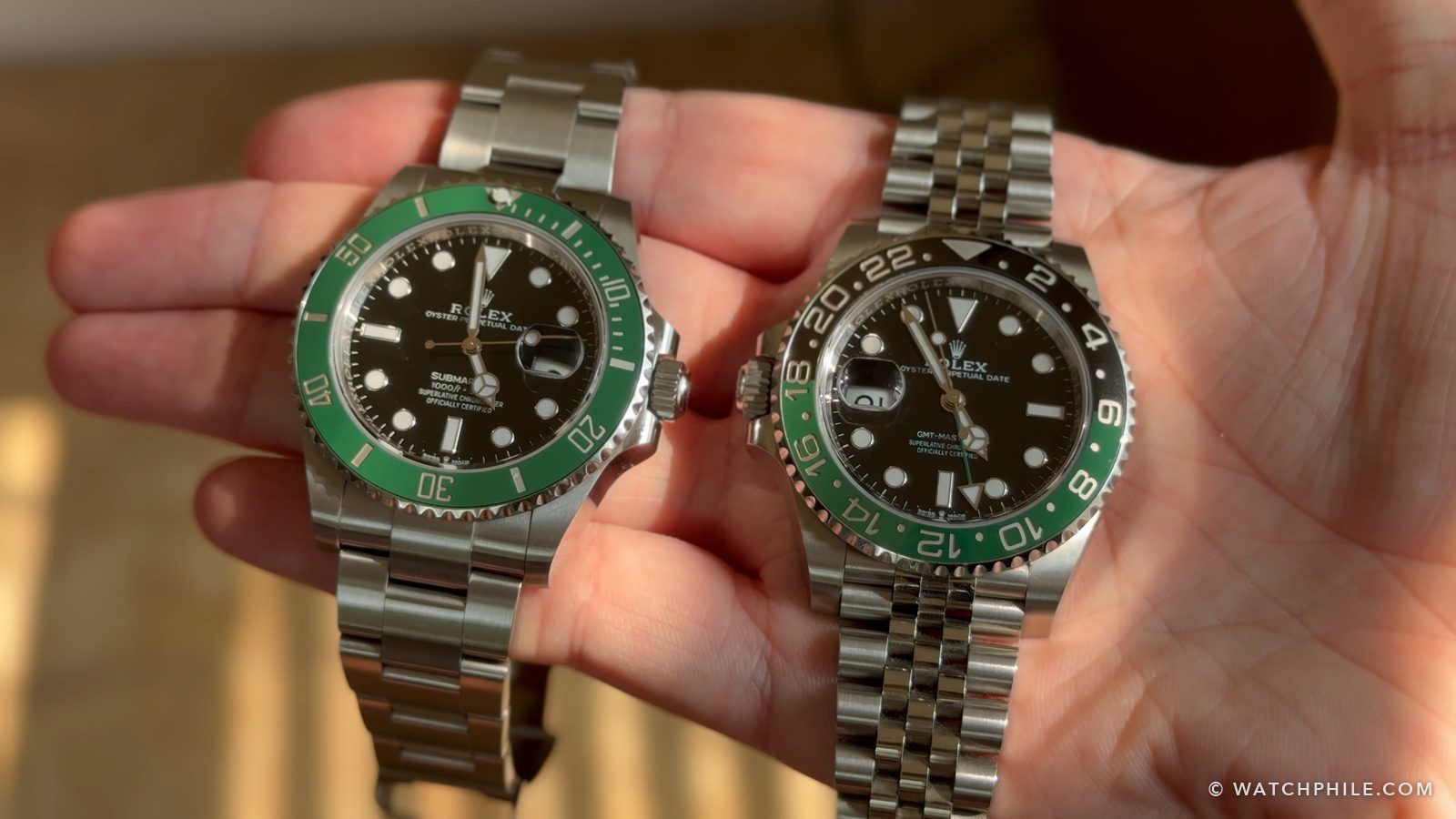
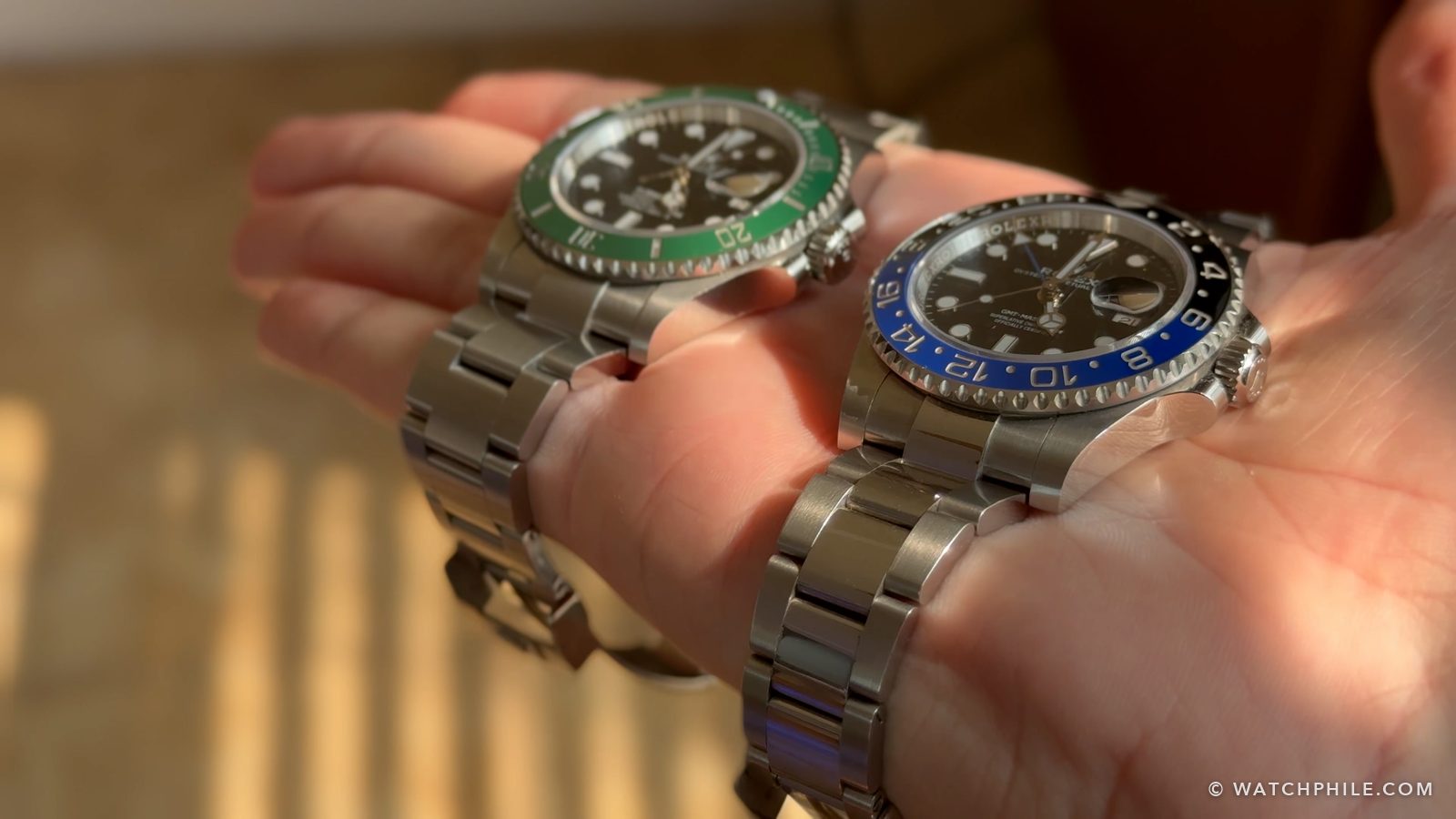
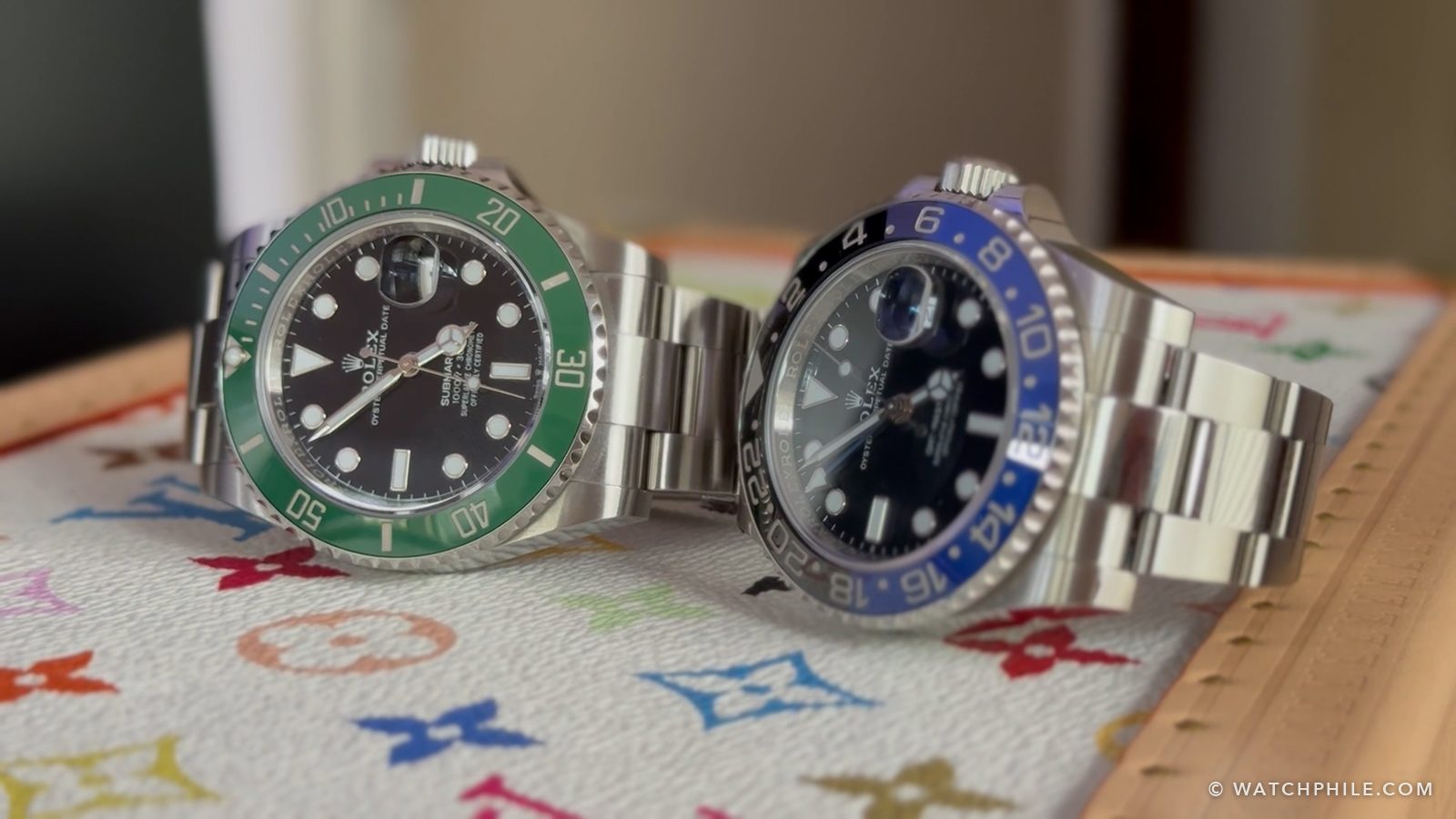
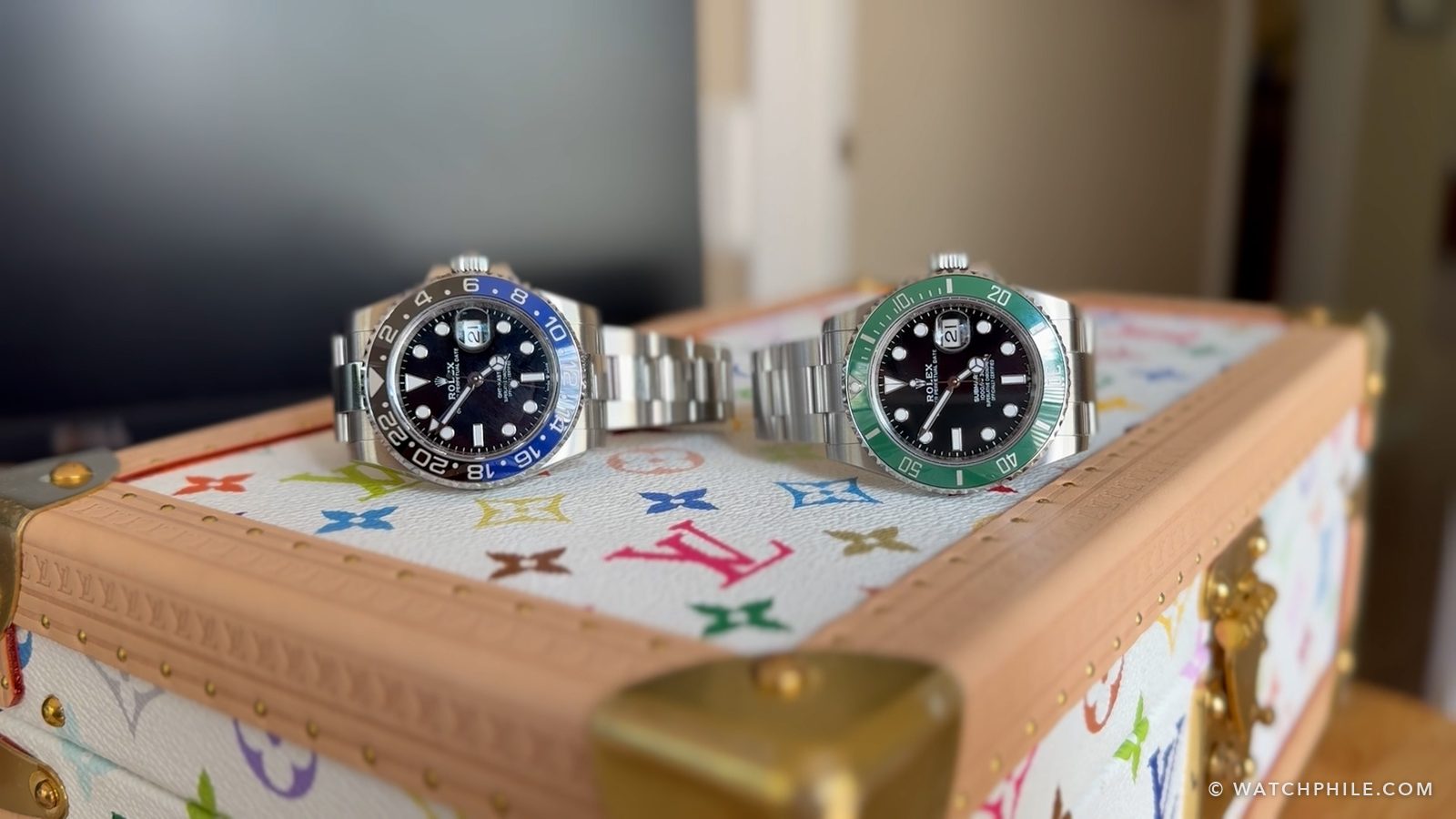
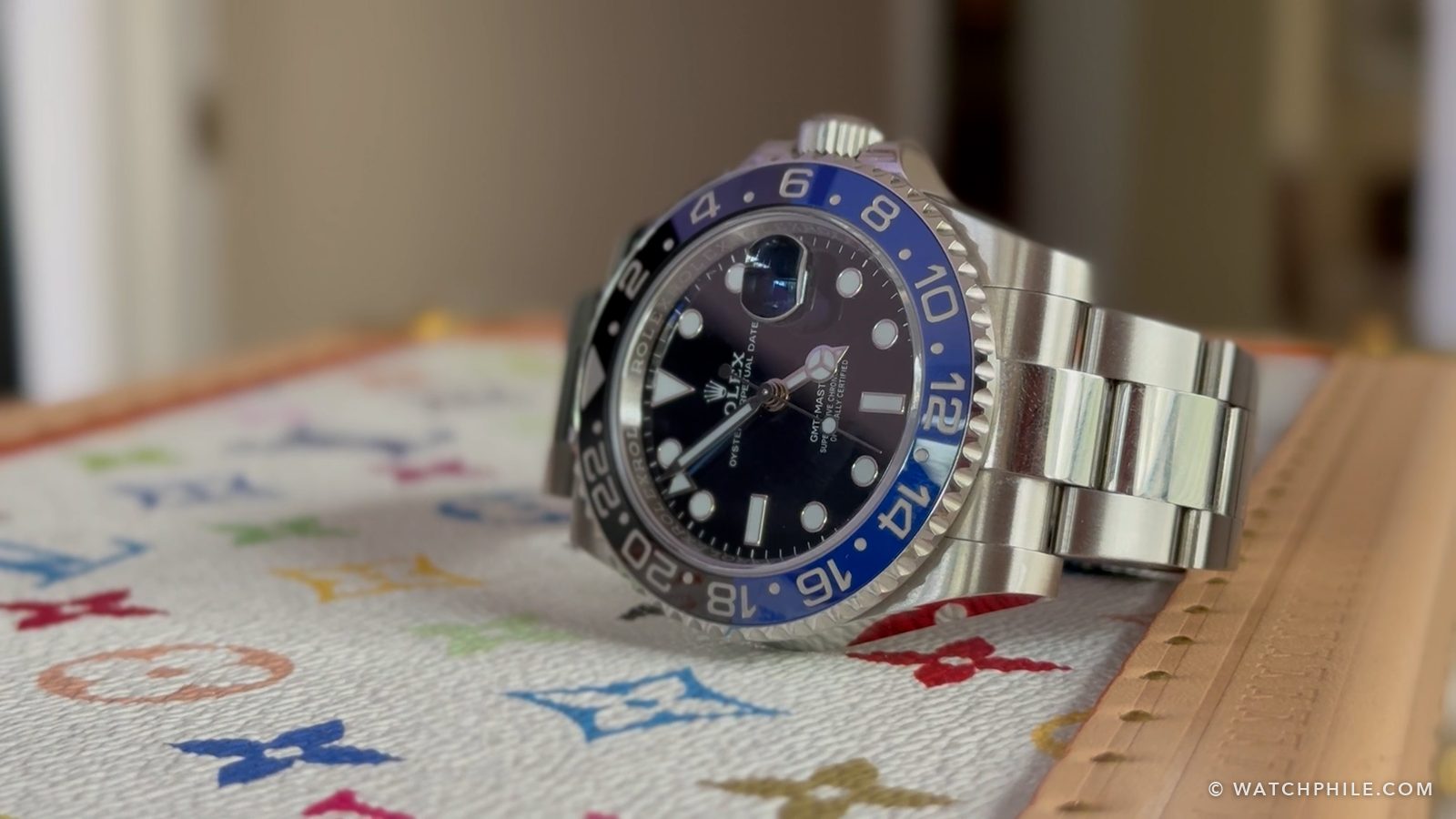
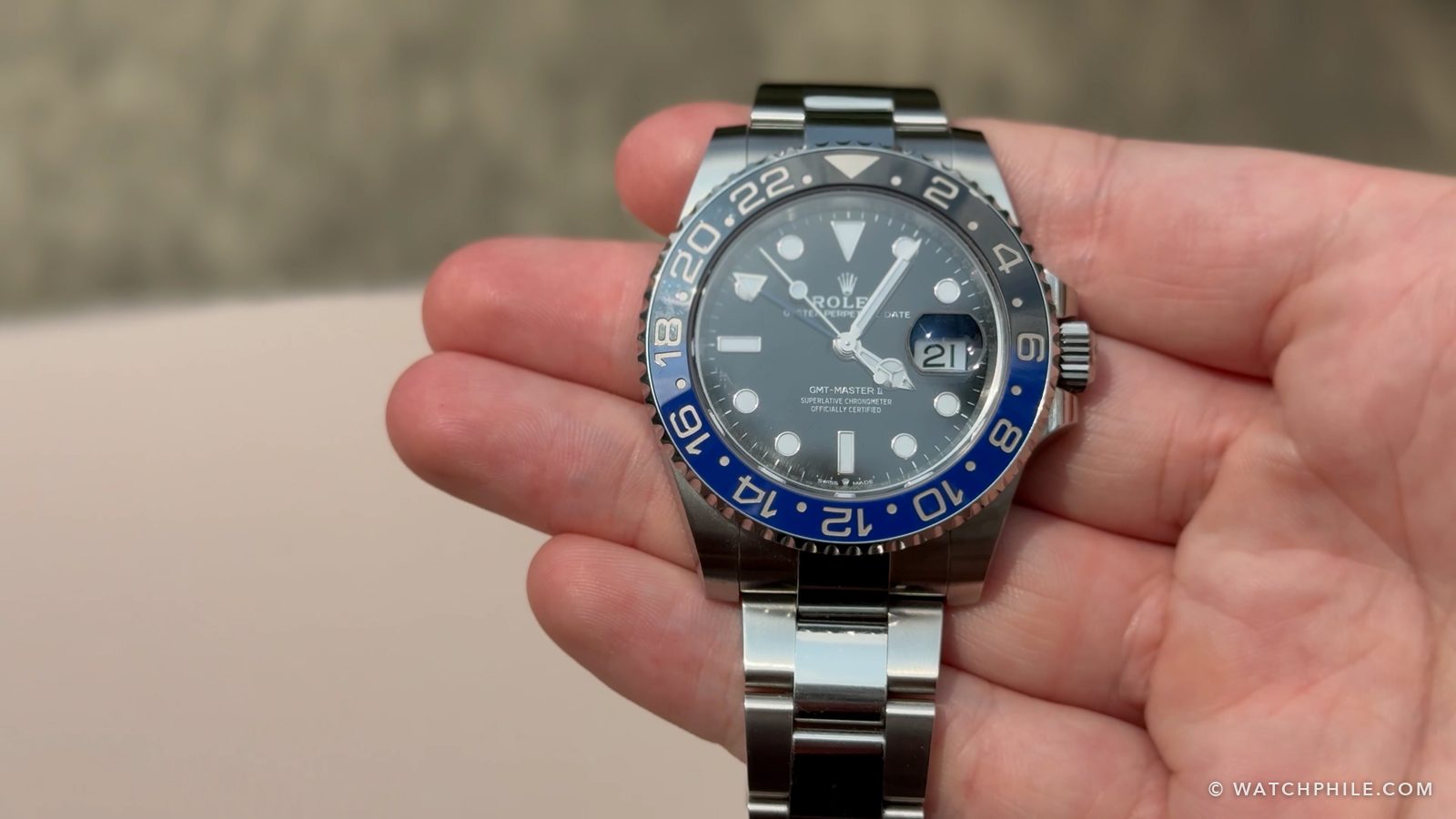
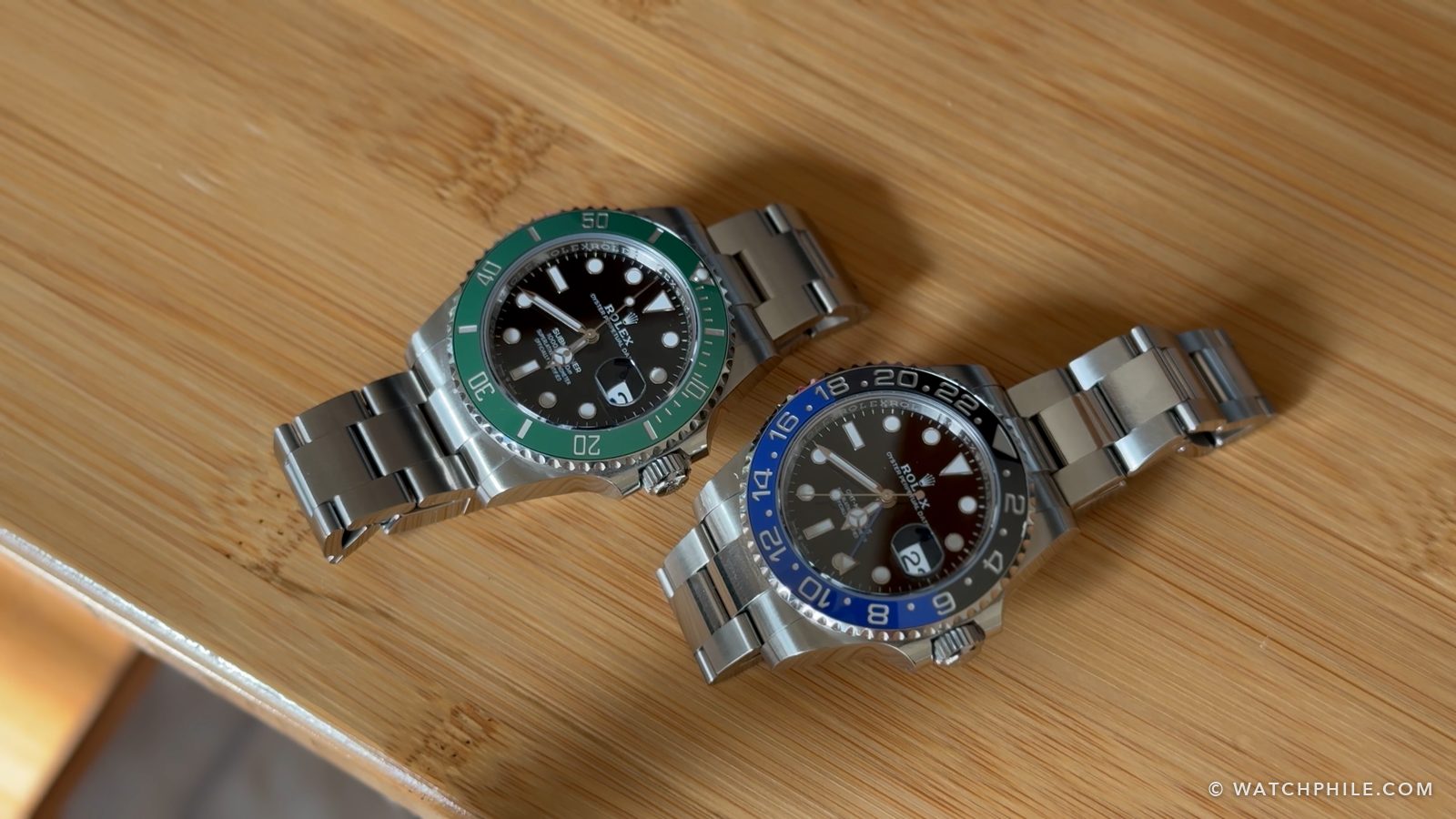
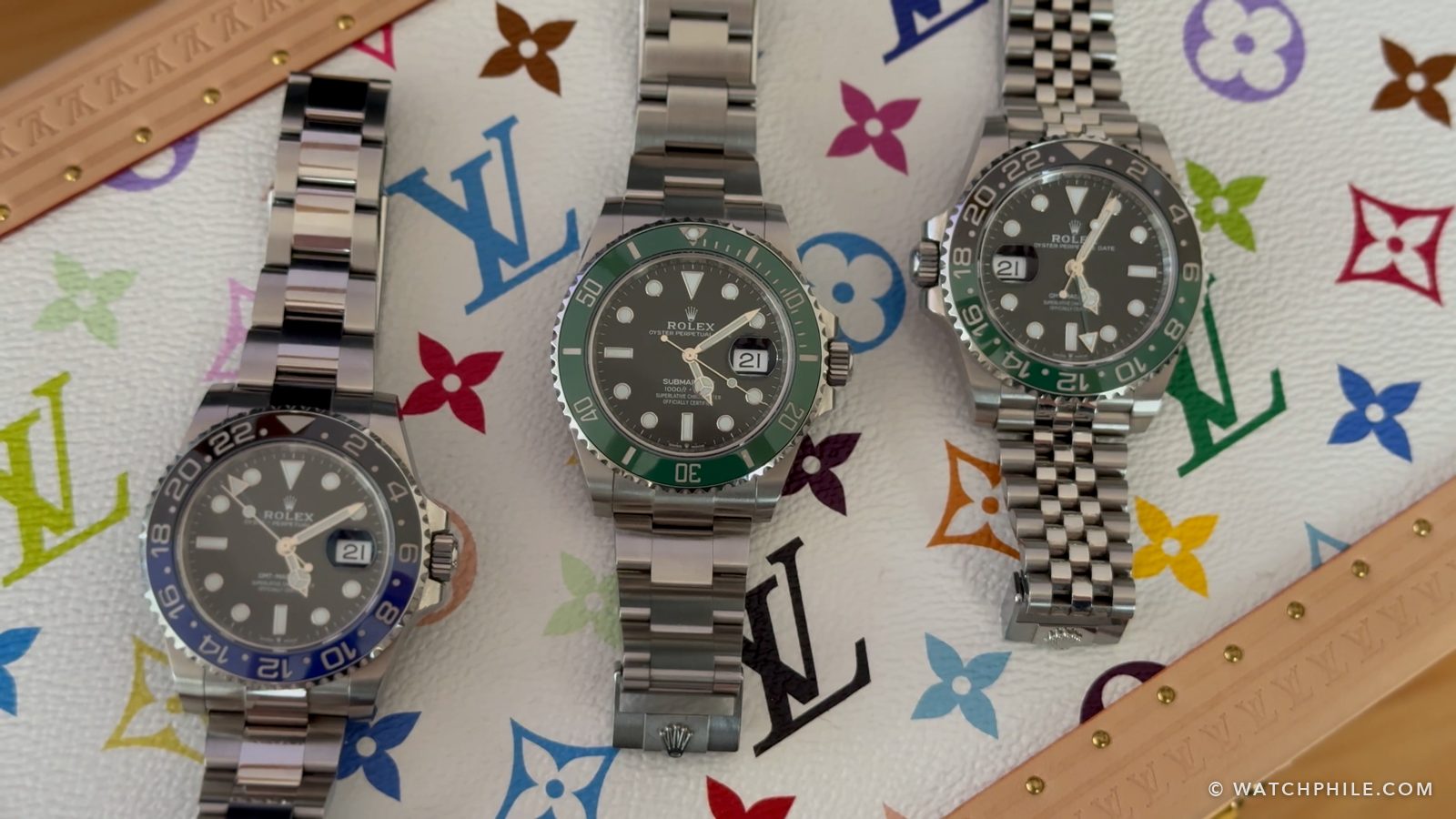
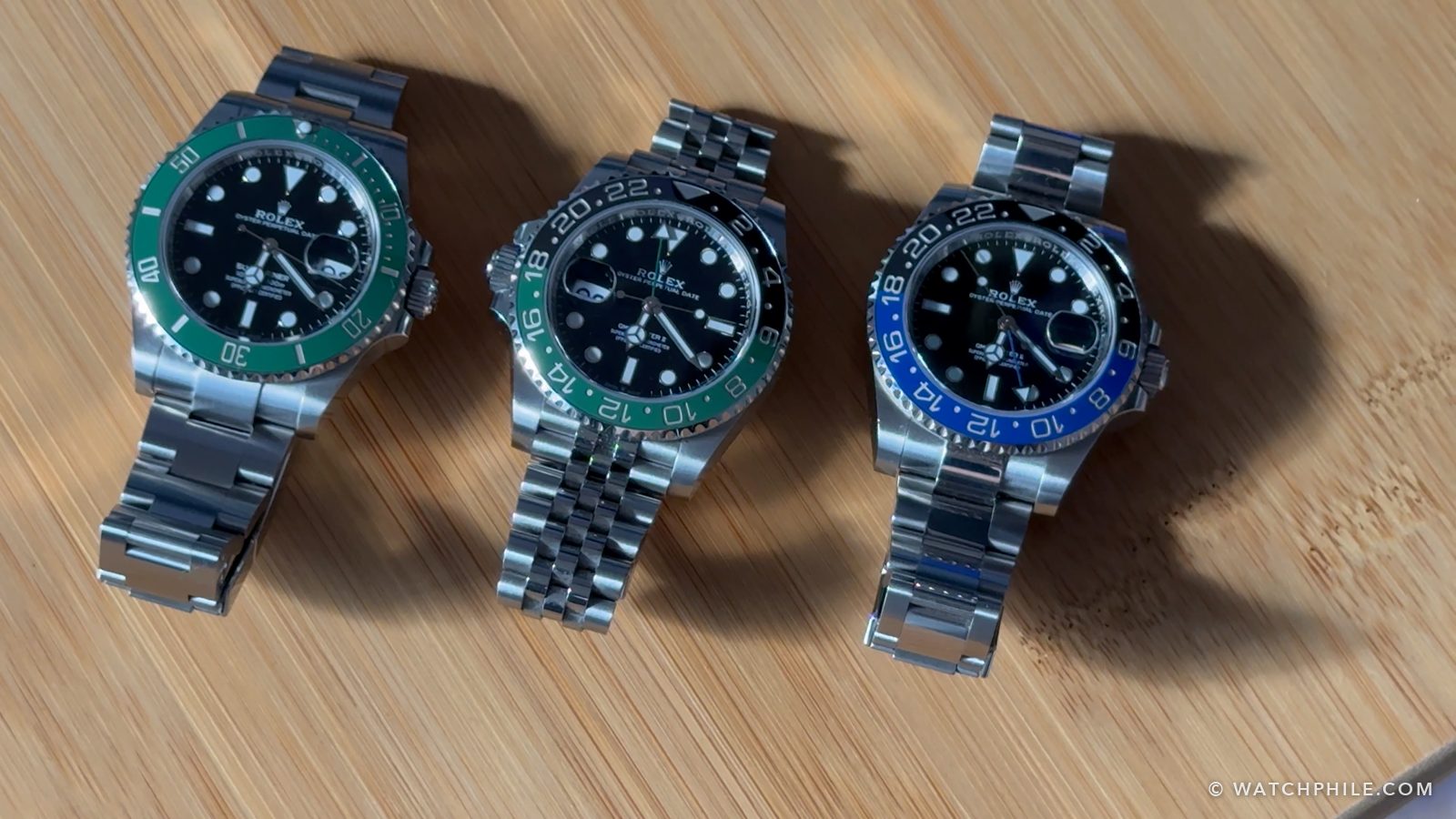
For reference, this is the Rolex GMT-Master II Batman ref. 126710BLNR and the Rolex Submariner Date Starbucks ref. 126610LV.
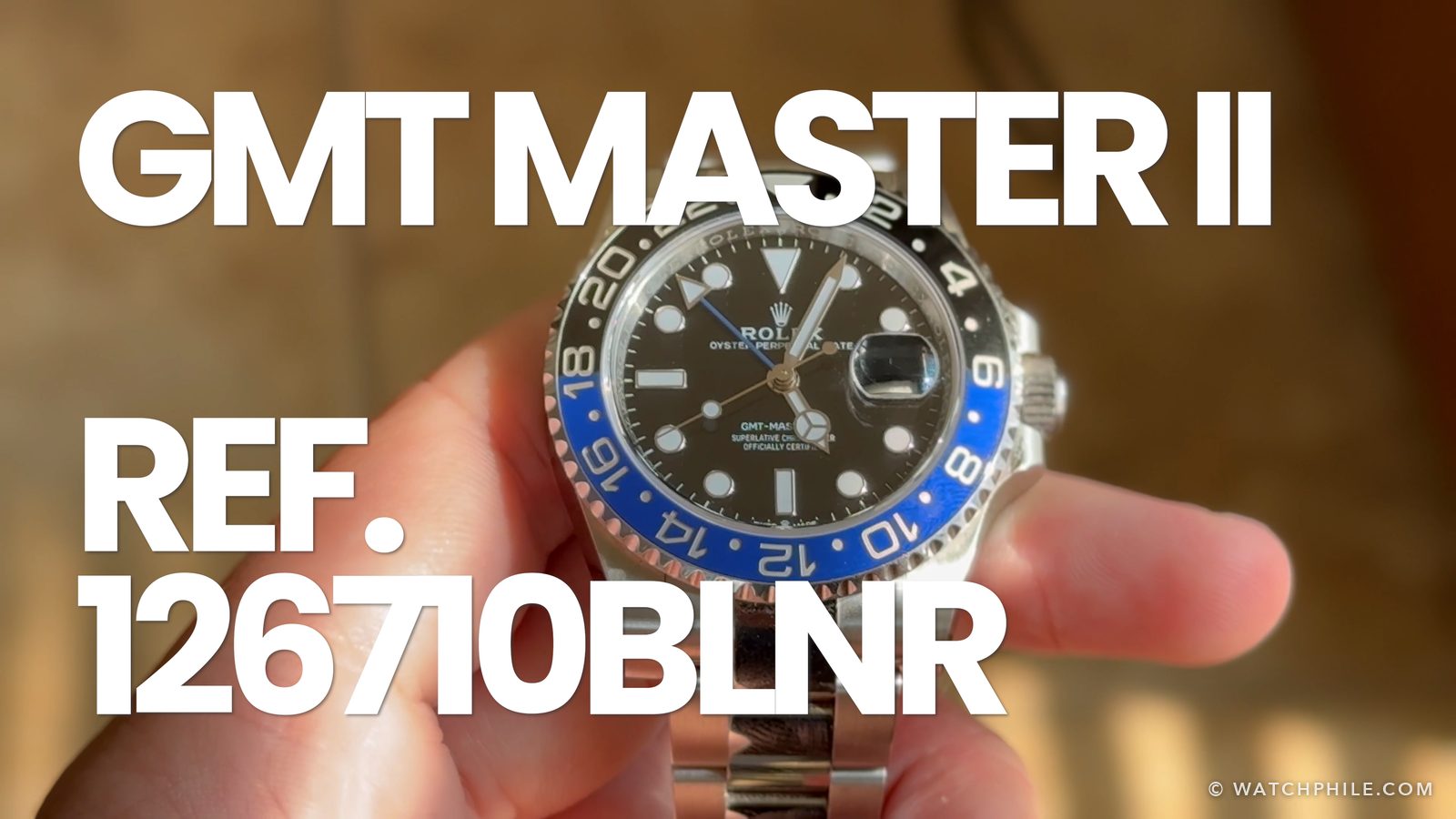
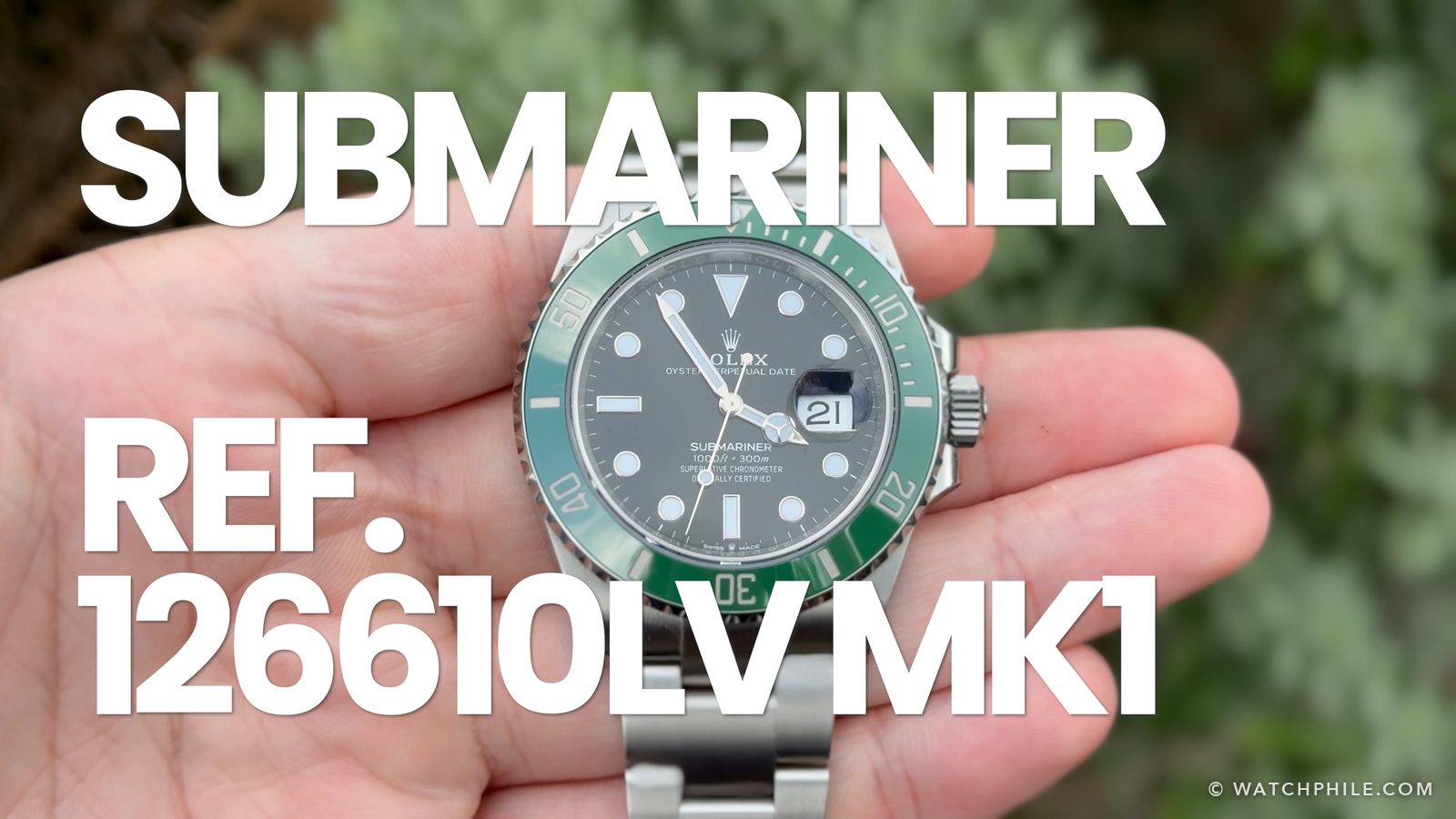
On paper, they're almost identical. Both are stainless steel Rolex sports watches. Both have ceramic bezels. Both have Mercedes hands. Both have a date. Both are super close in size.
| GMT-Master II “Batman” | Submariner Date “Starbucks” | |
|---|---|---|
| Reference | 126710BLNR | 126610LV |
| Case | Roughly 40mm wide, about 12mm thick | 41mm wide, around 12.3mm thick |
| Water resistance | 100 meters | 300 meters |
| Bezel | 24-hour, blue and black ceramic | 60-minute dive bezel, green ceramic |
| Movement | Caliber 3285 with jumping local hour hand | Caliber 3235 |
| Clasp | Easylink, quick 5mm extension | Glidelock, up to 20mm in 2mm increments |
| MSRP (approx.) | $11,800 (Sprite: $12,300) | $11,900 (black Submariner Date: $11,350) |
And honestly? On wrist, they feel way more similar than different. If someone handed you both blindfolded, you'd immediately know they're part of the same family.
How They Wear: Size, Wrist Presence and Feel
Once you've worn them for a few weeks, you start noticing the details.
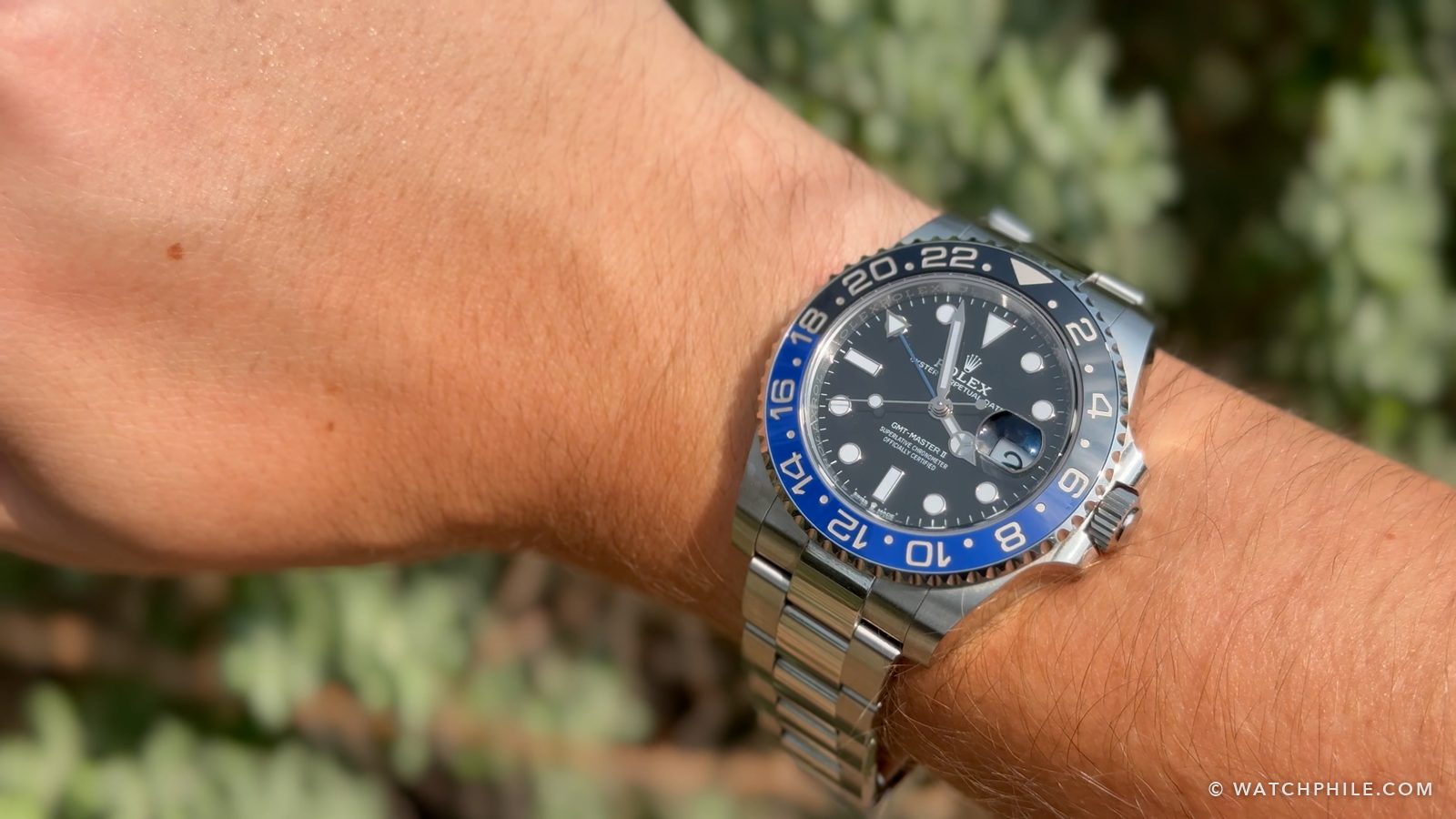
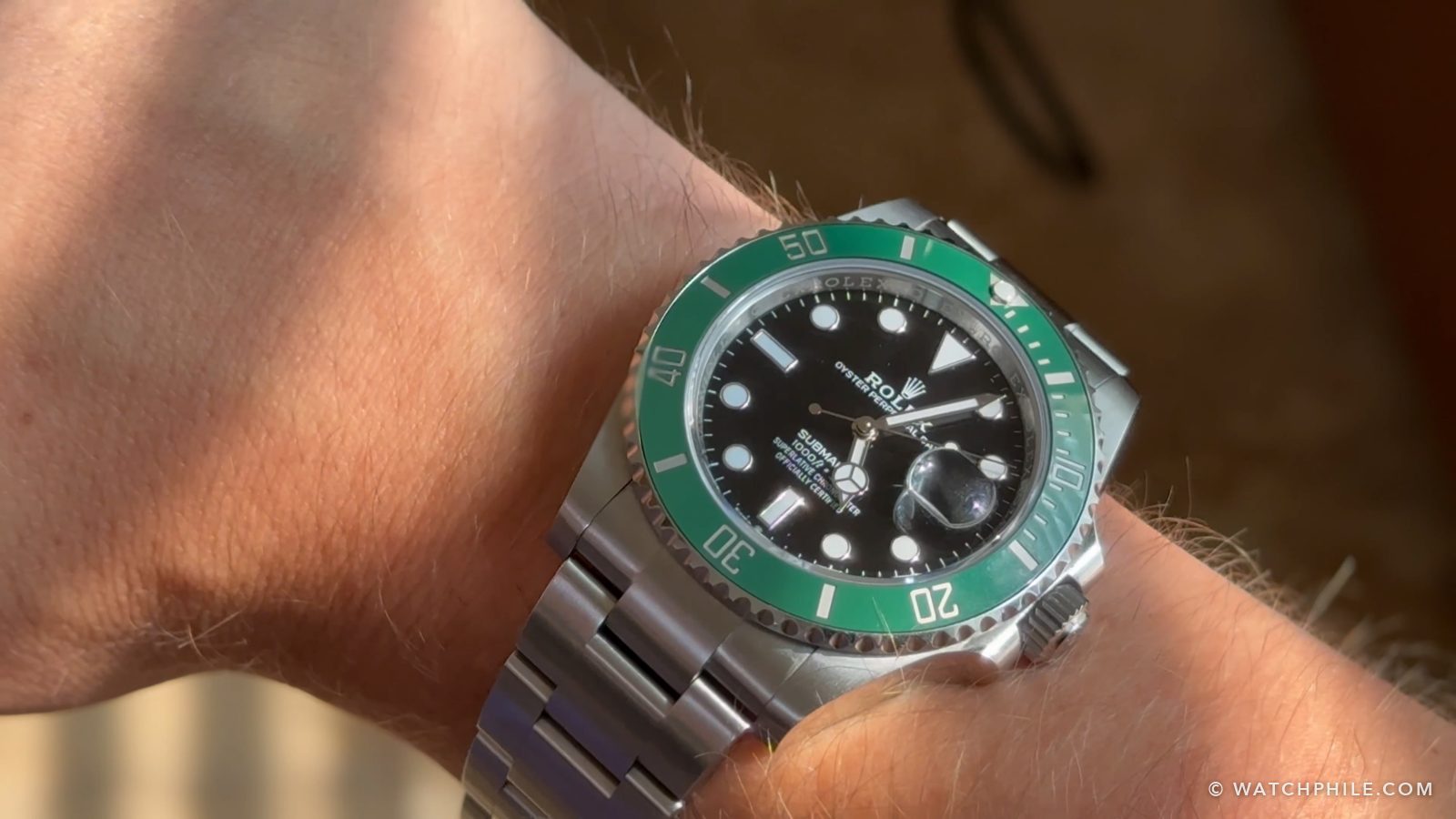
The Submariner feels more purposeful. More tool-like. More rugged. The GMT feels a little more refined. A little more elegant. And that carries over into how they wear.
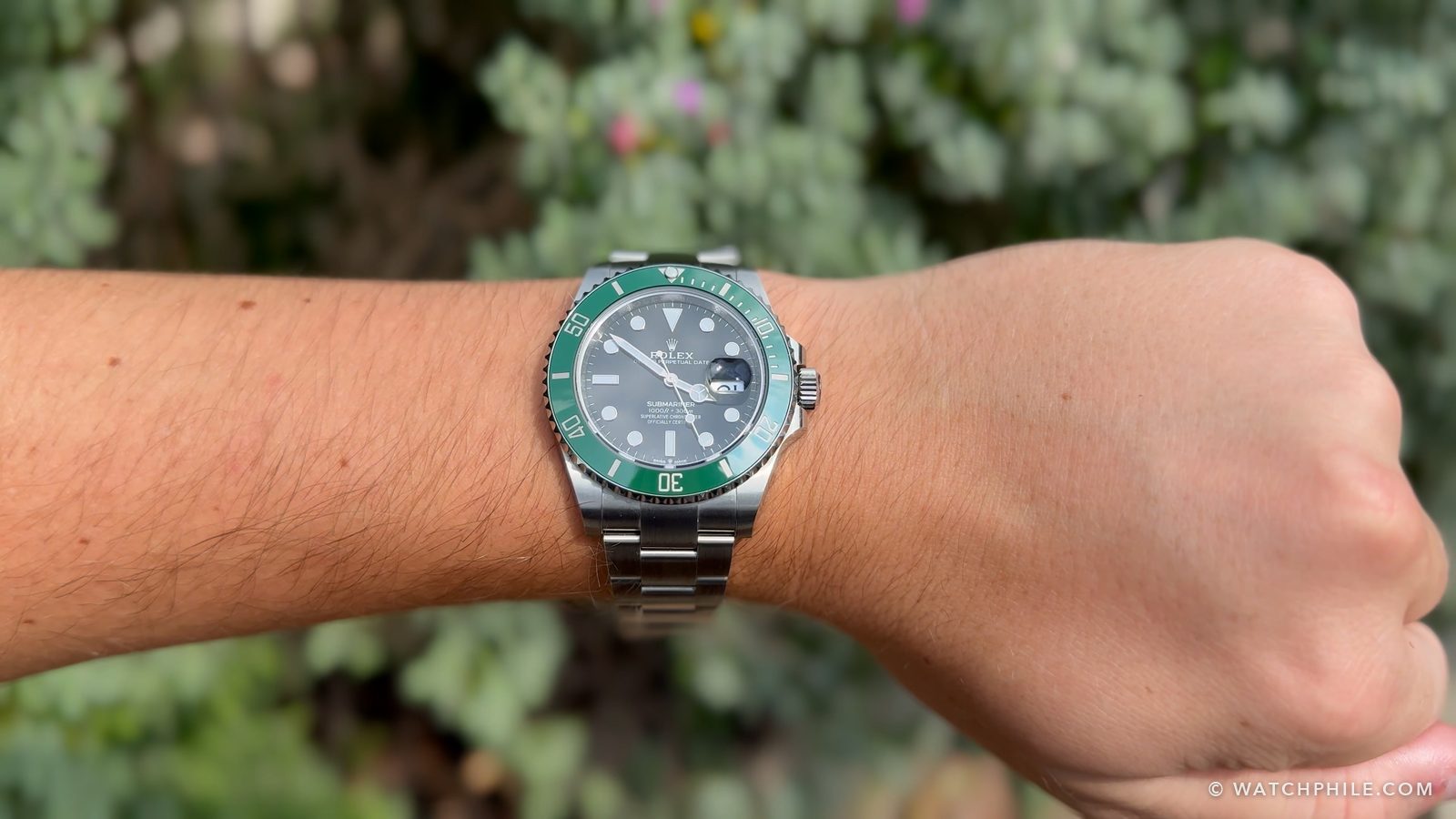
Which Is Better for Smaller Wrists?
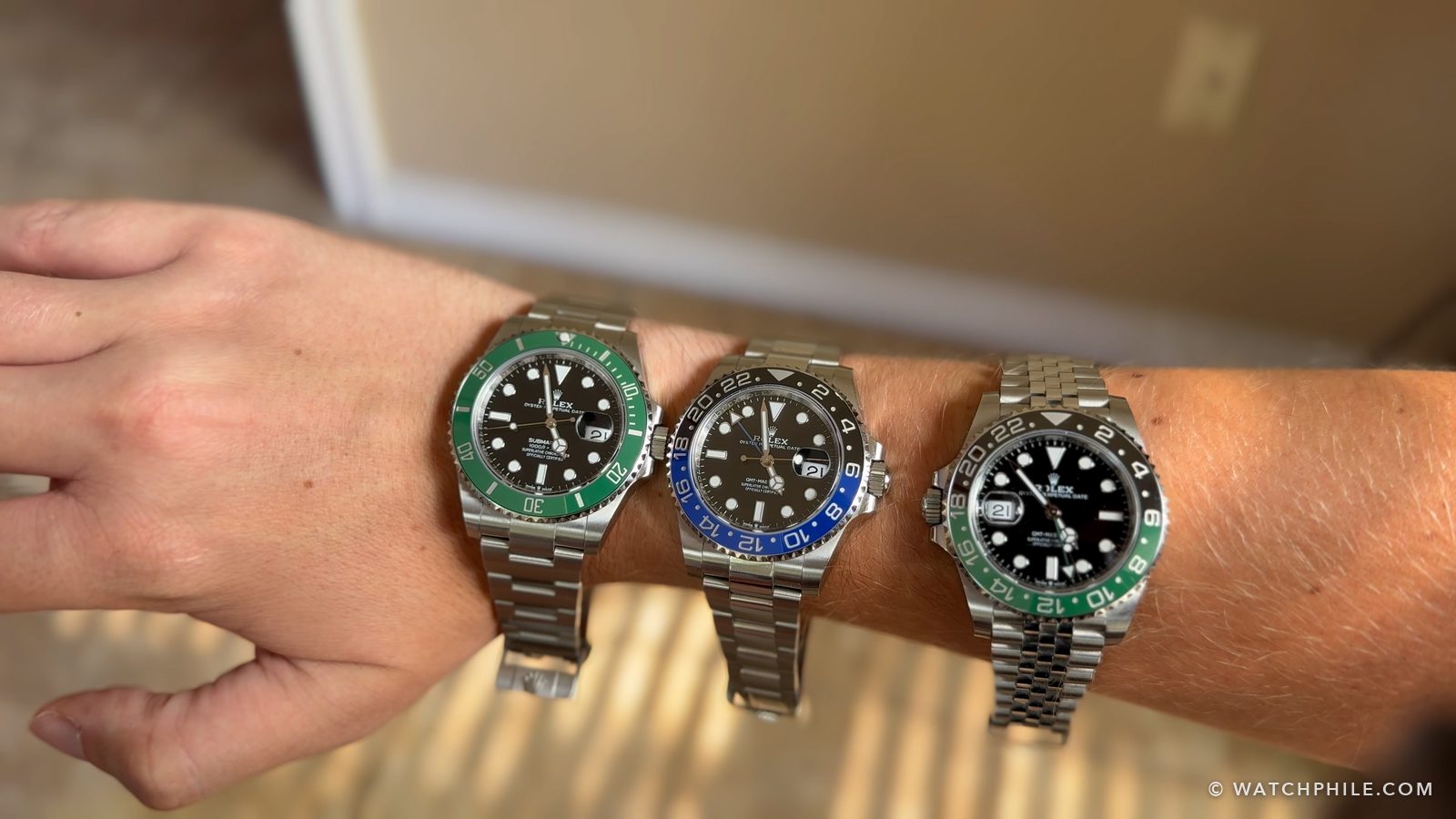
If you have smaller wrists, I think the GMT has a slight advantage. It wears a touch more compact and a little less substantial on wrist.
The Submariner isn't big by any means, but it wears slightly larger and more planted because of the broader case and dive-watch proportions.
Neither would stop me from buying the watch I wanted, but if wrist size is your primary concern, the GMT gets a small edge.
Water Resistance: 300m vs. 100m
And the specs back that up. The Submariner is water resistant to 300 meters, while the GMT-Master II is rated for 100 meters.
Now let's be honest: almost none of us are taking either watch anywhere near those limits. But it reinforces the personality of each watch. The Submariner feels like it was built to survive anything. The GMT feels like it was built to go anywhere.
Similar watches. Different missions.
Built for Different Jobs: Dive Watch vs. Pilot's Watch
The funny thing is that these watches were designed for completely different jobs.
The Submariner was introduced in the 1950s as a purpose-built dive watch, while the GMT-Master was developed alongside Pan Am to help pilots track multiple time zones. More than 70 years later, their original purpose still shows in how they feel on wrist today.
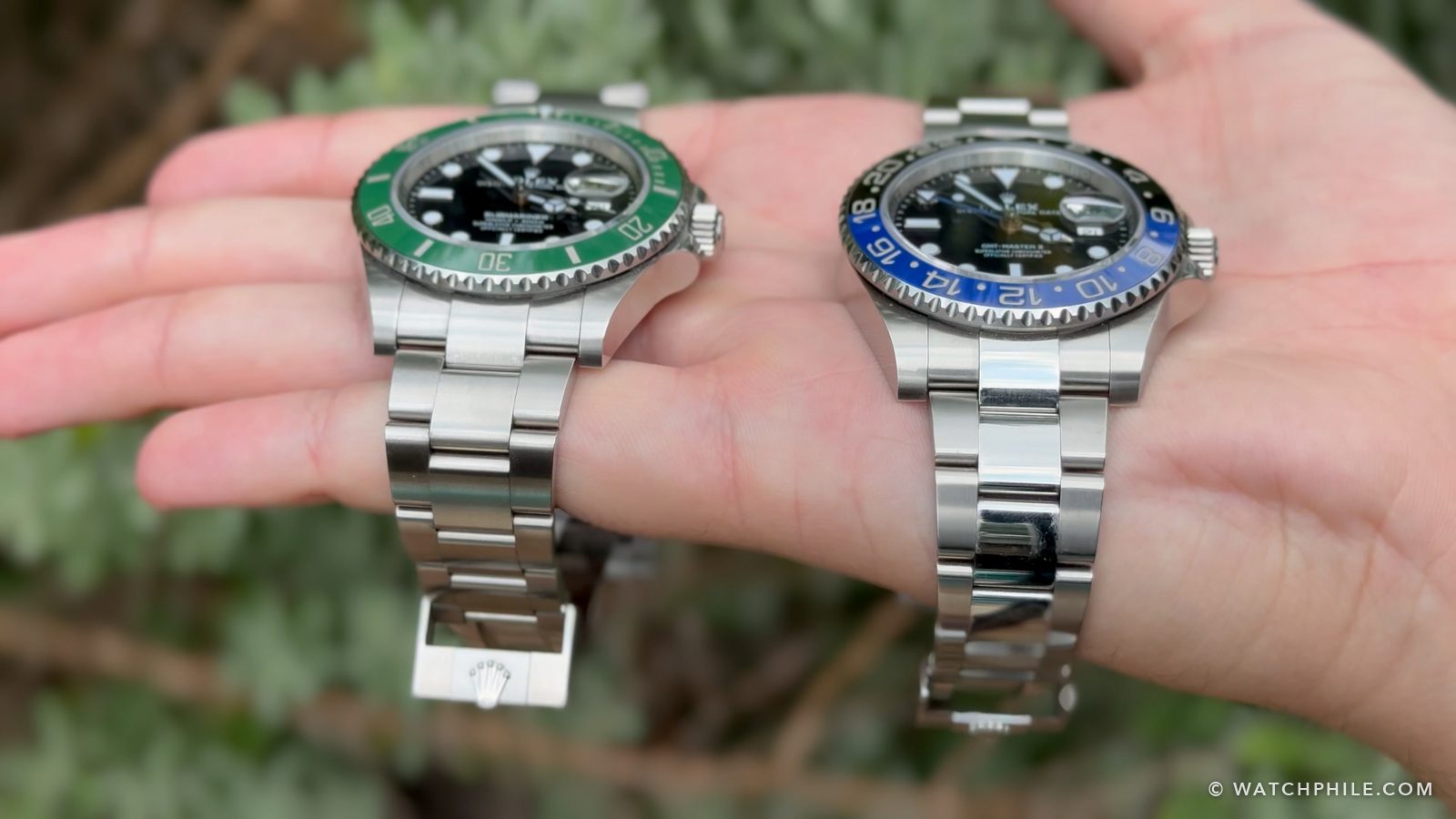
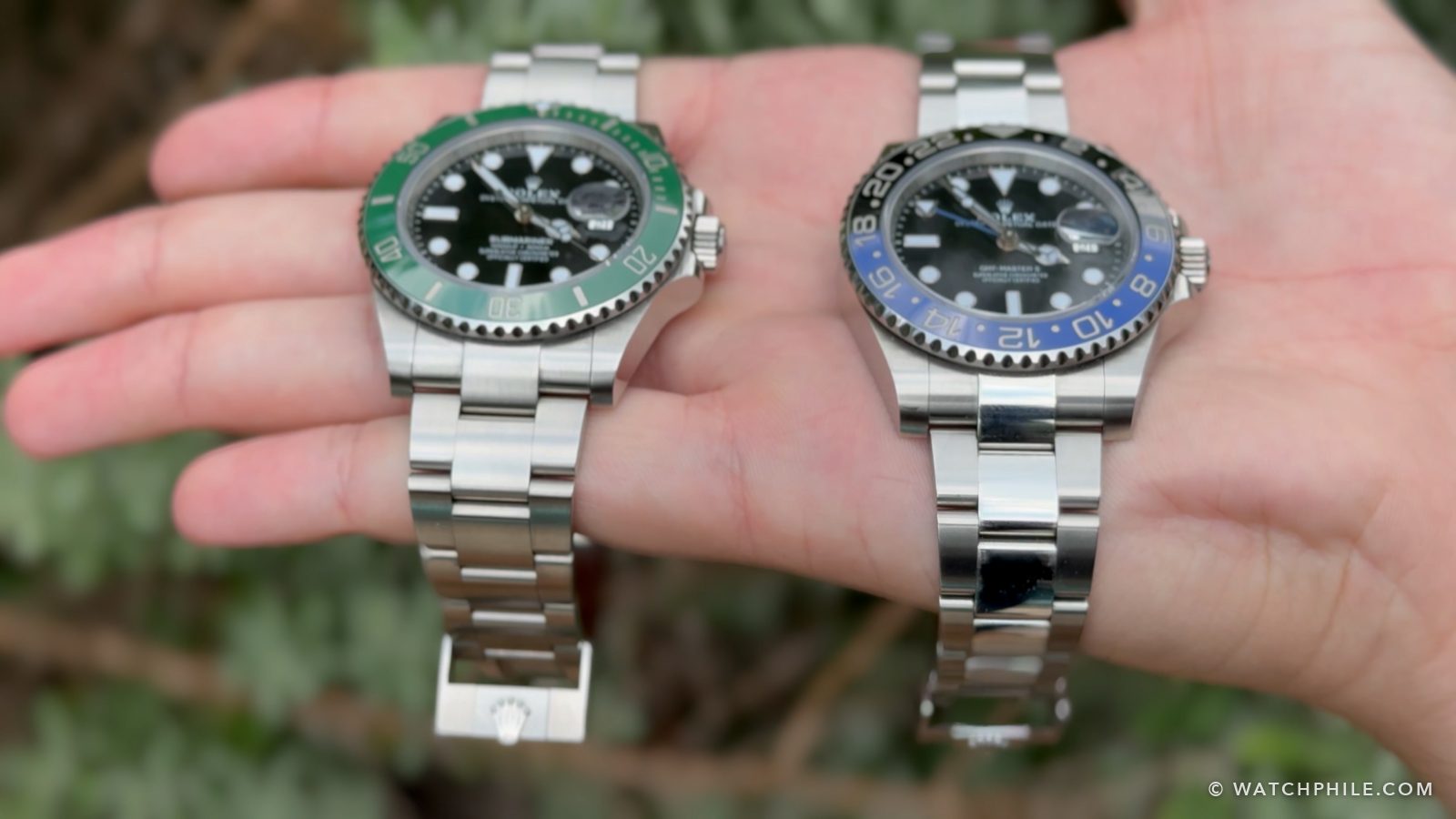
The Bezel and the GMT Complication
The biggest visual difference is obviously the bezel.
The Submariner's bezel is all about timing. Whether you're diving, timing a workout, cooking dinner, or just pretending you're going to use it underwater someday, it's simple and intuitive.
The GMT bezel is for tracking a second time zone. Combined with the GMT hand, you can keep track of home time while traveling or monitor another time zone entirely.
And I'll be honest, I use the GMT complication way more than I ever use the dive bezel. Especially when traveling. And this is where the GMT starts to show why so many collectors eventually add one after owning a Submariner.
Caliber 3285 and the Jumping Hour Hand
The current GMT-Master II uses Rolex's caliber 3285, and the magic is the jumping local hour hand.
When you land in a new time zone, you don't have to stop the watch. You don't lose your minute hand. You don't lose accuracy. You simply unscrew the crown and jump the local hour hand forward or backward in one-hour increments while the movement keeps running.
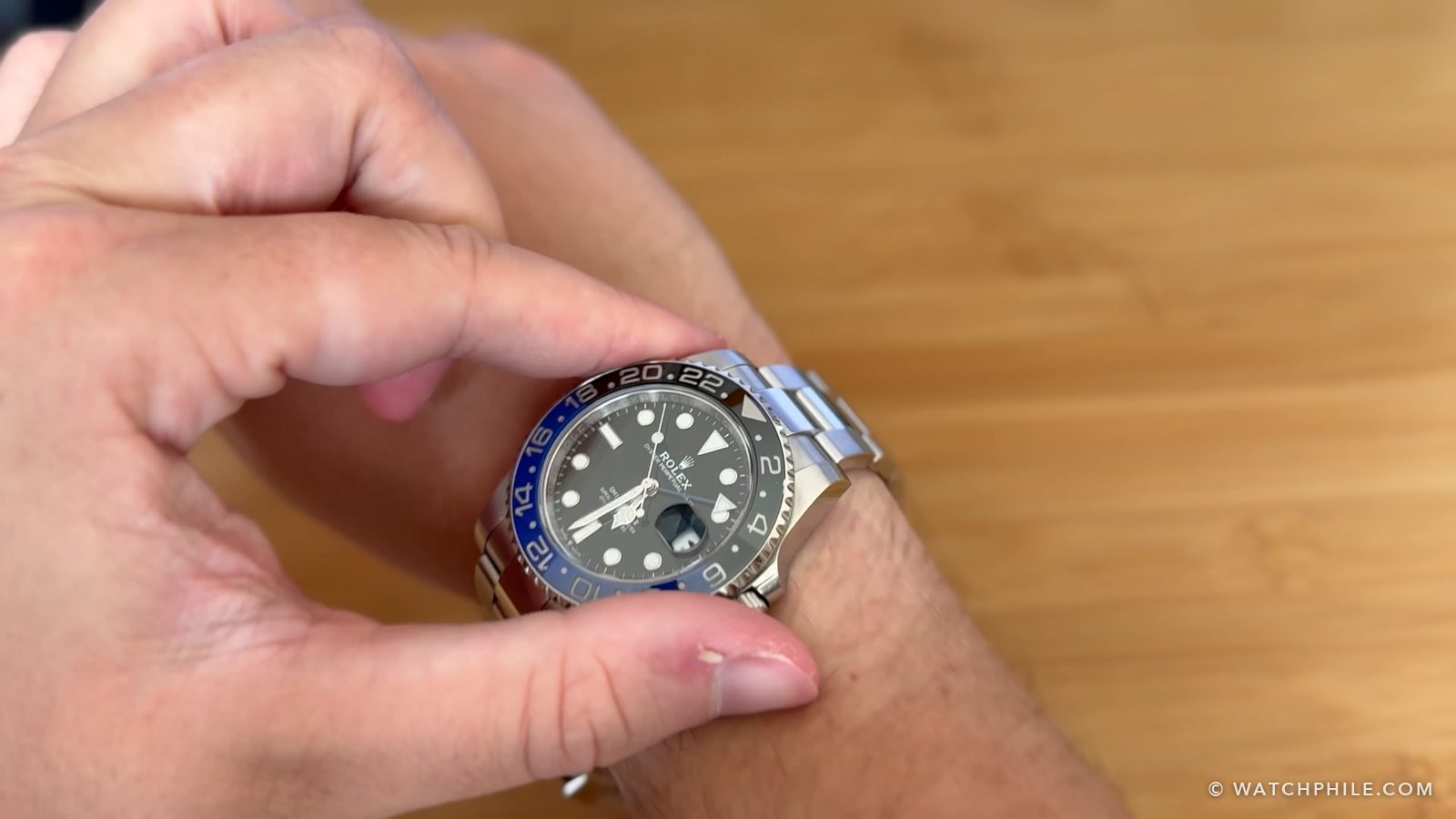
It sounds simple until you actually travel with one. Then you realize it's one of the most useful complications Rolex has ever made.
For frequent travelers, the GMT isn't just a different-looking Submariner. It's a better tool. But that doesn't automatically make it the better watch.
Oyster vs. Jubilee: The Bracelet Question
The bracelet discussion is where things get really interesting.
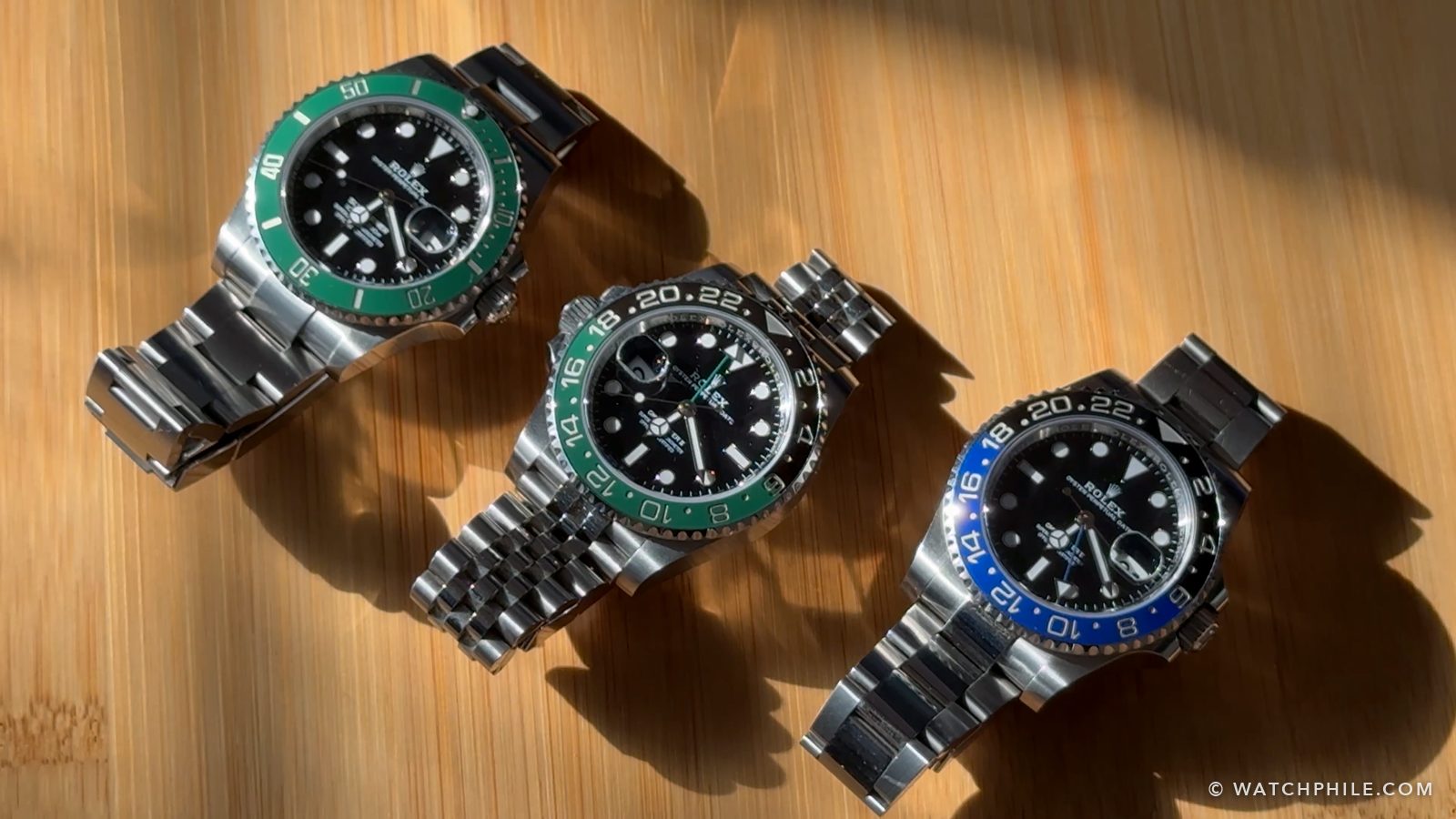
I currently have my Sprite on Jubilee, my Batman on Oyster, and my Starbucks on Oyster. And after owning all three configurations, I think every Rolex collector should have at least one GMT on Jubilee.
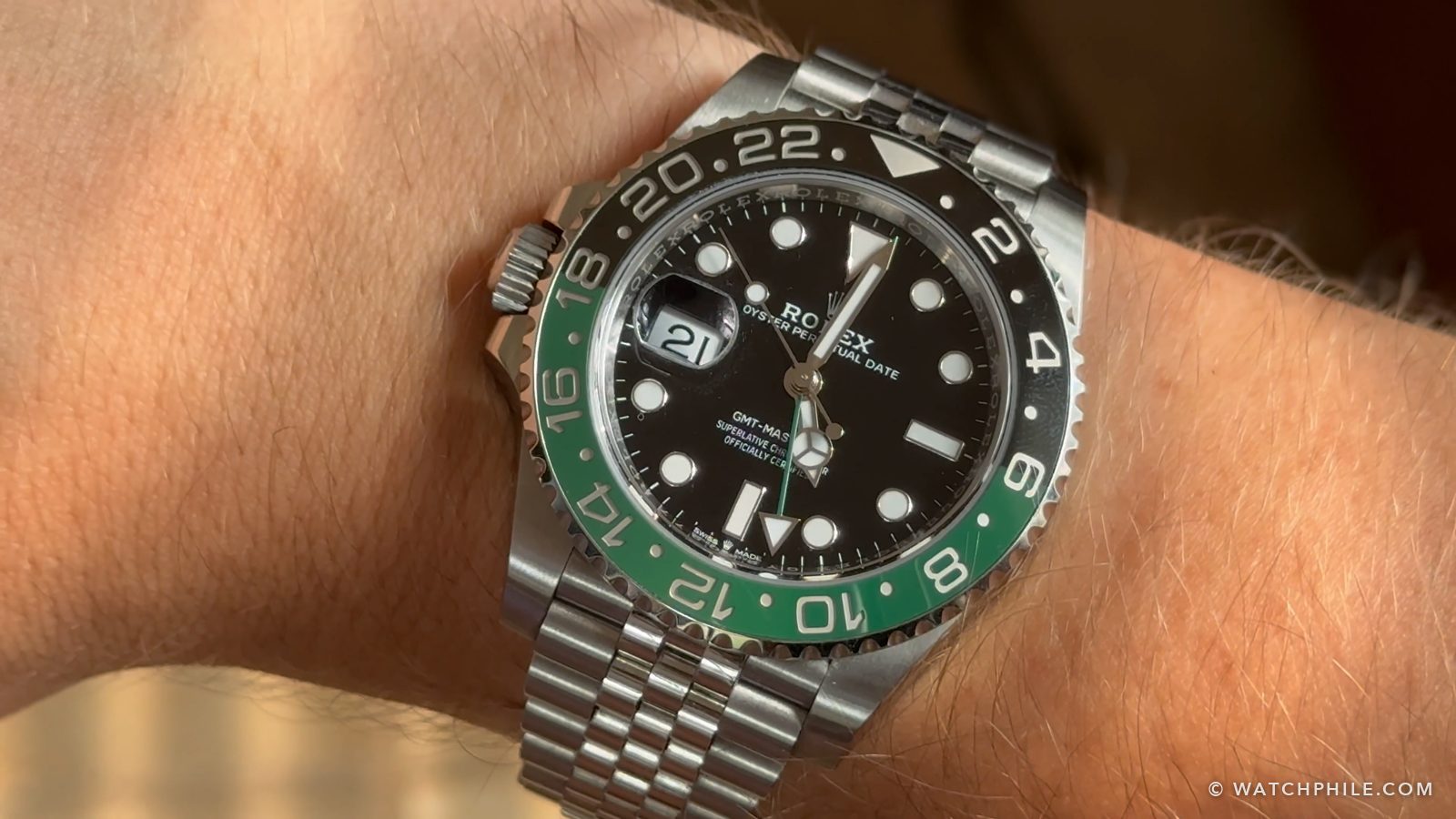
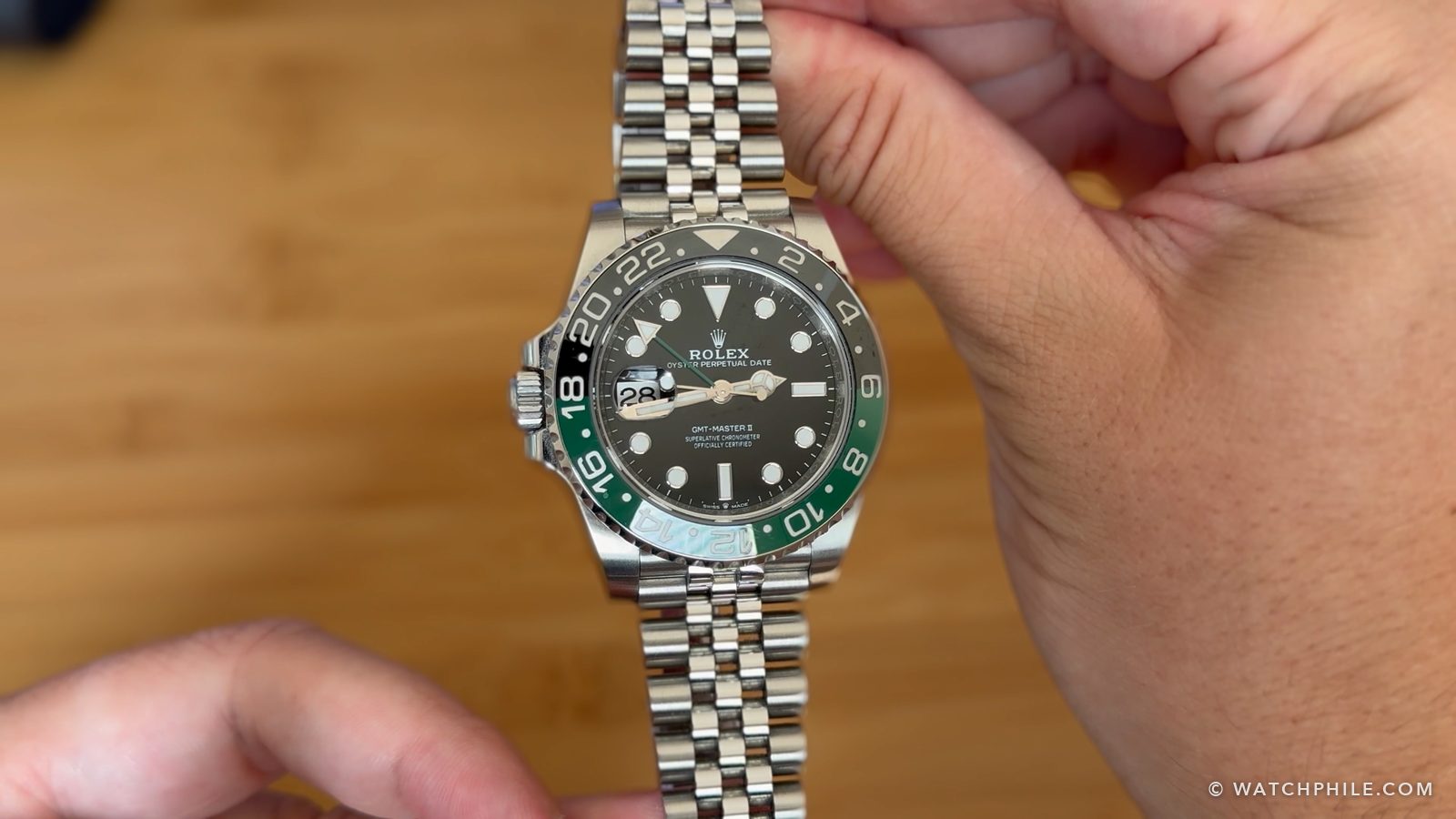
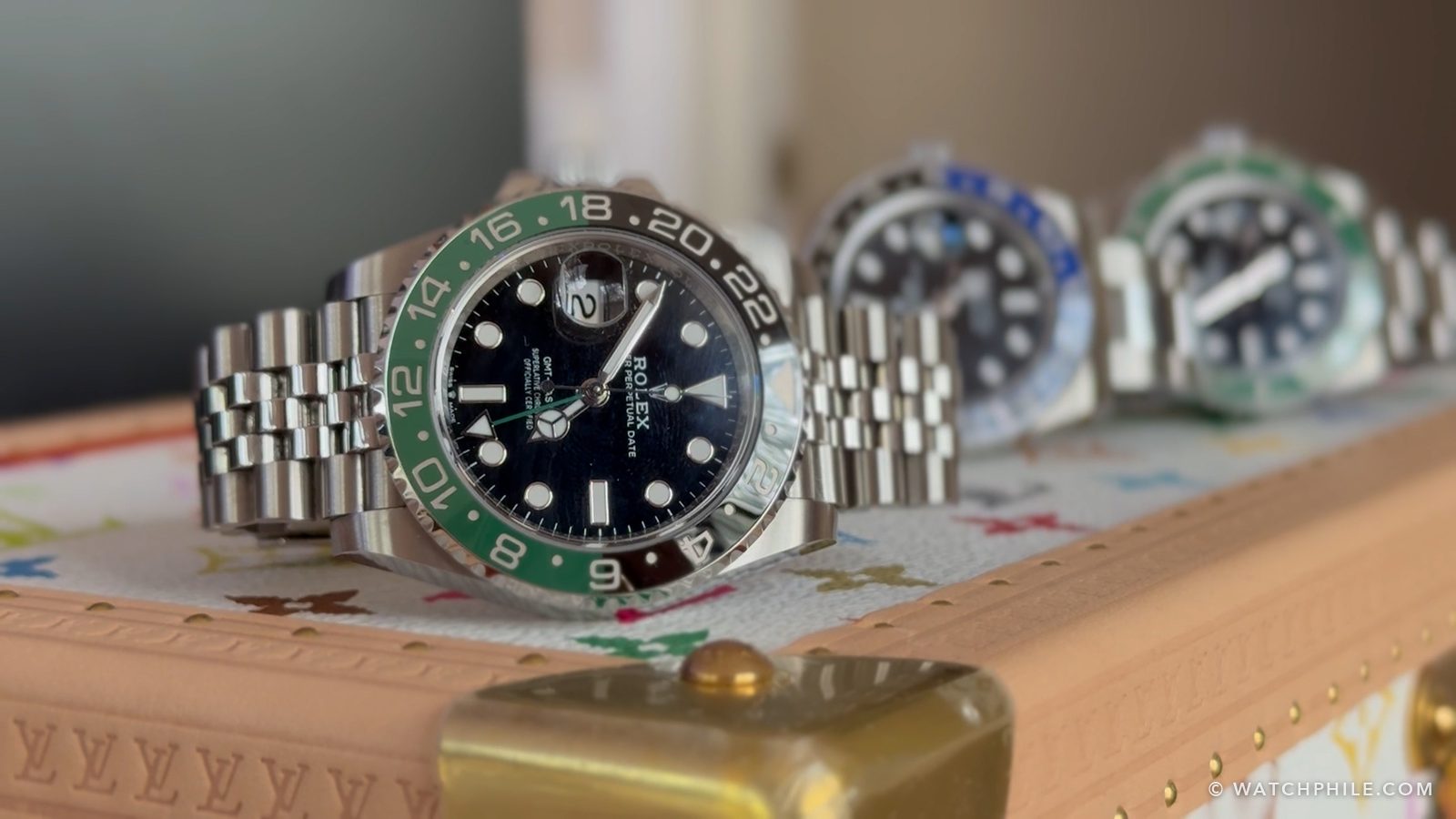
The Jubilee completely changes the personality of the watch. It's lighter feeling, dressier, more comfortable, and somehow makes the GMT feel more special every time you put it on.
My Batman on Oyster feels sportier. My Sprite on Jubilee feels more luxurious. Same watch. Completely different experience.
In fact, I liked the Jubilee so much that I bought an extra bracelet so I can swap between configurations depending on what mood I'm in.
So if your AD offers you a GMT on a different bracelet than you want, take it. You can always buy the other bracelet later and swap it.
Easylink vs. Glidelock
That said, the Submariner still has what I think is Rolex's best bracelet setup. Not necessarily the best bracelet. The best clasp.
The GMT gets Rolex's Easylink system, which gives you a quick 5mm extension when your wrist swells throughout the day. It's useful.
The Submariner gets Glidelock. Glidelock gives you up to 20mm of adjustment in 2mm increments without tools. Hot day? Click. Cold day? Click. Perfect fit every time.
Once you've lived with Glidelock, you miss it on every other Rolex. It's one of those features that sounds boring until you own one. Then you wonder why Rolex doesn't put it on everything.
Price and Availability at Retail
Now let's talk about the thing most buyers care about: price and availability.
Today, a black Submariner Date is roughly $11,350 MSRP. A Starbucks is about $11,900. A Batman GMT is around $11,800. And a Sprite comes in around $12,300. So from a retail pricing perspective, they're actually much closer than most people think.
The bigger difference is availability. Neither watch is easy to get from an Authorized Dealer. Both typically involve a wait. But in my experience, the Submariner is usually the easier allocation.
The GMTs, especially the Batman and Sprite, tend to be more difficult to obtain and often carry a stronger premium on the secondary market.
So if you're deciding strictly based on what's realistic to get first, the Submariner often makes more sense. Which is one reason so many Rolex journeys start there. I've covered that side in how to get a Rolex at retail.
Which Would I Choose?
For a One-Watch Collection: the Submariner
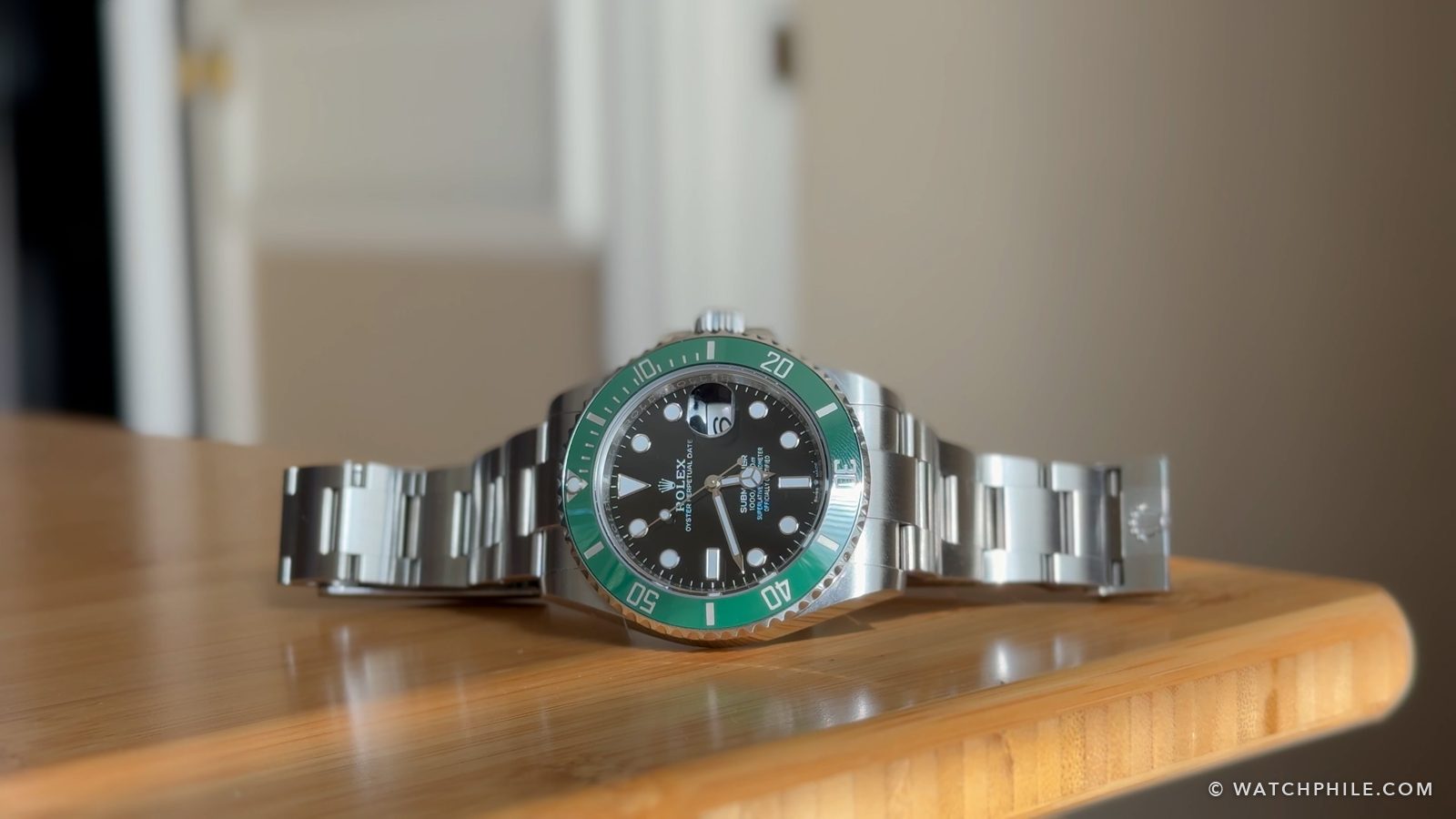
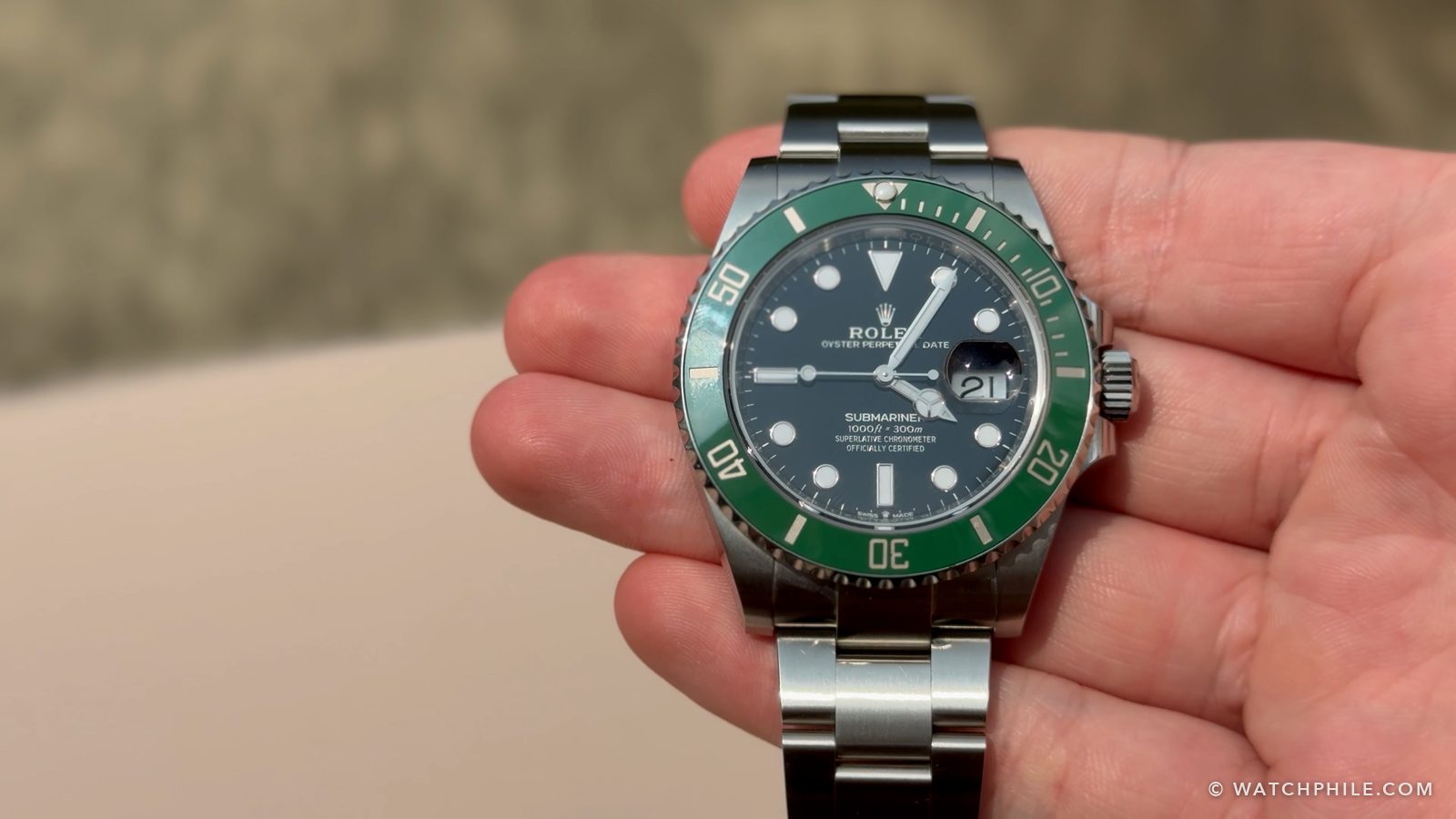
For a true one-watch collection, I'd pick the Submariner every single time. If someone came to me and said, “You can only keep one Rolex sports watch,” I'm keeping the Starbucks.
It's cleaner. It's more versatile. It's more comfortable in daily life. It works with literally everything. Suit, shorts, swim trunks, it doesn't matter.
Why the GMT Is More Exciting
But here's where it gets complicated. The GMT is more exciting.
The Batman's blue and black bezel catches the light differently throughout the day. The Sprite feels completely unique because of the left-handed configuration. And for me that's especially true because I'm left-handed.
Most reviews talk about the Sprite as a novelty. For me, it's not. It's the first Rolex sports watch that actually feels like it was designed for the wrist I wear my watches on every day. That makes it way more practical than most people realize.
The GMT lineup just has more personality.
It's a Progression, Not a Competition
That's why I don't think this is really a GMT versus Submariner debate. It's a progression. Most Rolex collectors eventually realize the same thing.
The Submariner is the watch you think you'll keep forever. The GMT is the watch you buy afterward because you want a little more color, a little more character, and a complication you'll actually use.
And once you own those two, you stop comparing them. They stop competing and start working as a team.
The Perfect Two-Watch Rolex Collection
My ideal setup? Exactly what I have now. A Submariner for everyday wear. A GMT for travel, weekends, and when I want something a little more interesting.
If I had to recommend the perfect two-watch Rolex collection to anyone, it'd be a Starbucks and a Jubilee Batman.
One rugged. One refined. One classic. One colorful. Together, they cover basically everything a collector could want.
Where the Daytona Fits
But if you're anything like me, eventually you start looking at what's next. The GMT and the Submariner are the ultimate foundation. But the Daytona is usually the watch sitting at the top of the mountain. It certainly was for me.
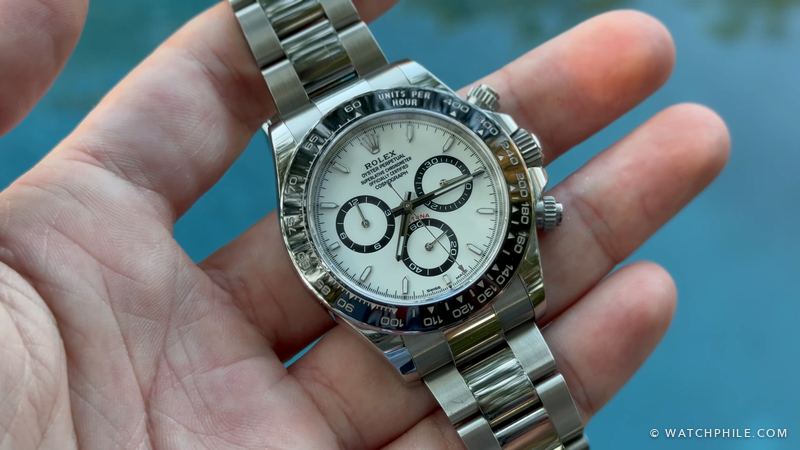
After years of collecting and building a relationship with my AD, finally getting the call for a stainless steel Daytona Panda felt like the final chapter of that Rolex sports watch journey.
And after getting the Daytona, it actually reinforced how much I still love the GMT and the Submariner. Because those are the watches that handle almost everything.
The Daytona is the reward. The GMT and Submariner are the foundation.
The Verdict: GMT-Master II or Submariner?
So if I could only keep one single Rolex sports watch? The Starbucks wins on pure utility.
But if you're building a real collection? You eventually need both.
I'm curious, what would your perfect two-watch Rolex collection be? Drop it in the comments on the video.
See the reference details for the Batman 126710BLNR, Sprite 126720VTNR and Starbucks 126610LV in the shop.